By the time you finish reading this sentence, a user in Southeast Asia placed a food order, booked a ride, and transferred money — all inside one app.
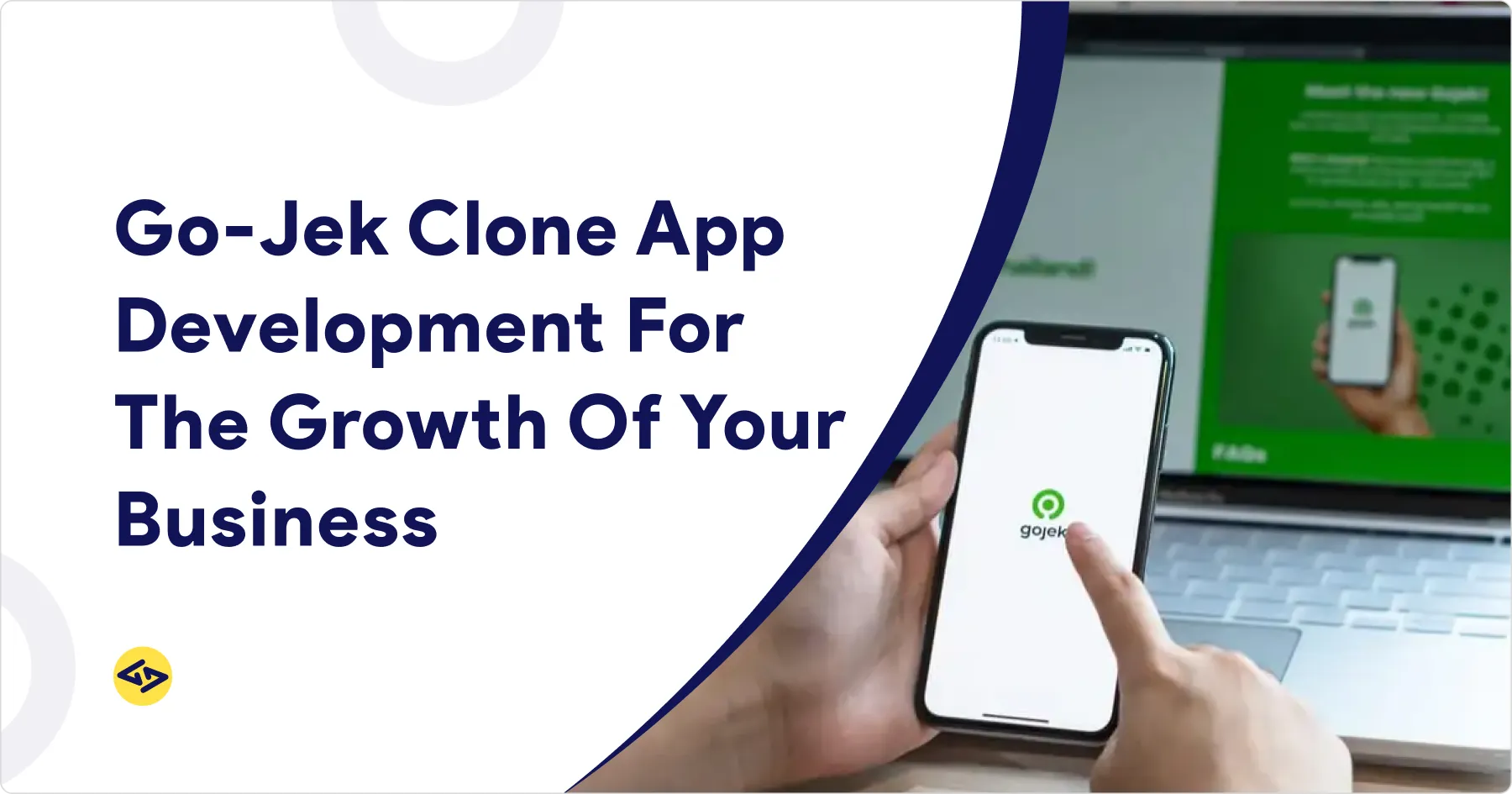
That is what a super app does. And it is why businesses across South Asia, the Middle East, Africa, and Latin America are actively exploring GoJek Clone App Development as a growth strategy for 2026 and beyond.
Gojek itself started as a motorcycle taxi dispatcher in Jakarta in 2010. Today it operates across transport, food delivery, logistics, payments, and healthcare — processing millions of transactions daily. The model works because users do not just download a super app. They live inside it.
This guide covers everything product leaders, founders, and enterprise teams need to understand before investing in a multi-service platform: the business model, the must-have features, the right technology stack, realistic cost ranges, and the monetization structures that make super apps profitable.
Built by iCoderz: Our team has shipped on-demand platforms across 15+ countries. The insights in this guide come directly from those builds.
What Is a Gojek Clone App — And What It Is Not
A Gojek clone app is a multi-service platform that consolidates multiple on-demand verticals — transport, food, grocery, courier, payments, home services — under one user account, one wallet, and one brand.
But let us be direct about what it is not. A Gojek clone is not a copy-paste of Gojek’s product. Businesses that succeed with super apps build localized ecosystems tailored to their market’s specific habits, payment preferences, and service gaps. The inspiration is Gojek’s architecture; the execution must be your own.
If you want to see how this model plays out across different markets and first-service strategies, our guide on how to build a super app like Grab covers launch sequencing, monetization, and supply-side strategy in detail.
Services Typically Bundled in a Super App
- Ride booking (taxi, bike taxi, car rental, scheduled rides)
- Food delivery (restaurant discovery, live tracking, scheduled orders)
- Grocery delivery (multi-store, inventory management, slot booking)
- Pharmacy and health product delivery
- Courier and parcel services (instant and scheduled)
- Home services (cleaning, repairs, beauty, electricians, plumbers)
- Digital wallet and payment infrastructure
- Subscription and loyalty programs
Unlike standalone apps, a super app improves retention because users interact with the platform across multiple daily needs — not just one. Every additional vertical a user adopts makes them significantly harder to churn.
Why Super Apps Are Growing — And Why 2026 Is the Right Time
The global super app market was valued at $58.6 billion in 2023 and is projected to grow at a CAGR of over 27% through 2030, according to Grand View Research. Consumer behavior is driving this: users want fewer apps, faster service, and one trusted payment system.
Businesses investing in Multi-Service App Development today are positioning themselves ahead of a consolidation wave reshaping mobile commerce in emerging markets. First-mover advantage in a fragmented regional market is real and measurable.
What Is Shifting Consumer Behavior
- Convenience over loyalty to individual brands
- Preference for centralized digital wallets over multiple payment methods
- Demand for faster service access without repeated account creation
- Trust in familiar ecosystems that handle multiple transactions securely
Grab, Careem, Rappi, and Gojek have all demonstrated that once users are embedded in a super app ecosystem, cross-service adoption accelerates organically — without proportional increase in marketing spend.
The Super App Business Model: How It Actually Works
The Super App Business Model is not about offering everything to everyone. It is about building a digital ecosystem where each service reinforces the others — and where the platform takes a share of every transaction across every vertical.
Core Mechanics of the Model
- One customer acquisition cost, multiple revenue opportunities across verticals
- Integrated wallet that keeps money inside the ecosystem
- Cross-sell engine: food delivery users discover grocery; taxi users adopt payments
- Data advantage: understanding a user’s full daily behaviour vs. one vertical
- Subscription layers that convert casual users into committed ones
Why This Model Outperforms Single-Service Apps
A food delivery app competes with every other food delivery app for the same order. A super app competes for a user’s entire digital lifestyle. Customer lifetime value in a super app can be 3–5x higher than in a standalone vertical app — because the platform is embedded in daily routines, not used occasionally.
iCoderz Insight: The clients who see the fastest return on investment are those who launch with 2–3 high-frequency services (typically transport + food) and expand methodically. Launching 10 verticals simultaneously increases cost and delays profitability.
Why Businesses Are Investing in Multi-Service App Development
1. Dramatically Higher Customer Retention
A user who relies on your platform for taxi booking, grocery delivery, and wallet payments is not going to switch to a competitor who offers only one of those services. The switching cost is real. Super apps are sticky by design.
2. Multiple, Diversified Revenue Streams
A mature super app generates revenue from several sources simultaneously:
- Commissions on ride bookings, food orders, grocery deliveries, and home services
- Delivery and surge fees
- Subscription membership revenue (priority delivery, cashback, exclusive offers)
- Featured and sponsored merchant listings
- In-app advertising from brands targeting your user base
- Wallet transaction processing fees
- Loyalty point system revenue sharing
3. Cross-Sell Without Additional Acquisition Cost
When a user who joined for ride-hailing discovers grocery delivery inside the same app, your marketing cost for that grocery customer is essentially zero. This compounding effect is one of the most underappreciated advantages of the super app model.
4. Phased Scalability Reduces Risk
A super app does not have to launch fully formed. A practical expansion path:
- Ride-hailing and transport
- Food delivery
- Grocery and pharmacy delivery
- Courier and logistics
- Digital wallet and financial services
- Home services and subscriptions
Each phase is validated before the next is funded, which reduces operational risk substantially.
5. Long-Term Brand Equity
A super app is not a utility — it becomes infrastructure in a user’s daily life. The more embedded a platform becomes, the more defensible the business and the stronger the brand moat.
Core Services to Build Into a Gojek-Like App
Transportation Services
Transport is the highest-frequency use case in most markets and the logical starting point for a super app. iCoderz’s taxi booking app development covers the full ride-hailing stack — passenger app, driver app, and admin panel — built for scale from day one. Common configurations include taxi and sedan booking, bike taxi for faster urban trips, scheduled rides, outstation travel, and driver-on-demand for hourly hire.
Food Delivery
Food delivery drives daily active users more than almost any other vertical. Key differentiators on successful platforms include restaurant discovery with intelligent filtering, live GPS order tracking, scheduled and group ordering, and multi-payment support. iCoderz builds end-to-end food delivery apps — from single-restaurant setups to multi-chain marketplace platforms serving thousands of vendors.
Grocery Delivery
Post-pandemic grocery delivery adoption has remained elevated. Platforms that support multiple store partnerships, real-time inventory, and flexible delivery slots see the highest retention in this vertical. See iCoderz’s on-demand grocery delivery app development service for a full breakdown of multi-store management and slot-based scheduling.
Courier and Parcel Services
Courier services expand the platform’s utility to small businesses and individual senders — a segment with strong repeat usage and predictable transaction frequency. Our multi-delivery app development solution supports courier, grocery, food, and pharmacy verticals from a single unified backend.
Home Services
Cleaning, appliance repair, beauty, plumbing, and electrical services are high-margin verticals with strong local demand. They also generate among the highest average order values on super app platforms — and bring users back on a predictable, recurring basis.
Digital Wallet and Payments
The wallet is the connective tissue of a super app. It keeps money inside the ecosystem, enables instant refunds, powers loyalty rewards, and simplifies the checkout experience across every vertical. Platforms with an integrated wallet see measurably higher repeat purchase rates.
Essential Features of a Successful Super App
Customer App
The customer app is where retention is won or lost. Core features include social login, unified service discovery, real-time GPS tracking, an integrated digital wallet, ratings and in-app chat, push notifications, and loyalty programme management. For a detailed breakdown of how these features are architected in practice, see our food delivery app features guide for 2026 — the same feature architecture applies across verticals in a super app.
Vendor and Merchant App
- Real-time order management and acceptance queue
- Earnings dashboard with weekly and monthly breakdowns
- Inventory management with low-stock alerts
- Service scheduling and availability controls
- Promotional and discount tools
Delivery Agent and Driver App
- Optimised route navigation with live traffic data
- Order batching for efficient multi-drop delivery
- Earnings tracker and in-app withdrawal requests
- Availability toggle and shift management
Admin Panel
- Multi-service management from a single dashboard
- Vendor and driver onboarding and verification
- Commission configuration by service and geography
- Customer support ticketing and resolution tools
- Promo and campaign management
- Business intelligence reporting and revenue analytics
Technology Stack for GoJek Clone App Development
The right technology stack for a super app must prioritise real-time performance, horizontal scalability, and security. Cost-efficiency matters, but not at the expense of these.
Frontend (Mobile)
Flutter and React Native are the two dominant cross-platform frameworks for super app frontends. Flutter offers better UI customisation and consistent performance across devices; React Native has a larger ecosystem and suits teams already working in JavaScript. Our in-depth Flutter vs React Native comparison covers performance benchmarks, cost differences, and team-fit considerations to help you choose.
Backend
- Node.js — Ideal for real-time, event-driven operations: live tracking, notifications, in-app chat
- Laravel (PHP) — Excellent for structured API development and rapid backend delivery
- Django (Python) — Strong choice for platforms requiring machine learning integrations
For a production-level view of how these backend choices play out under load, our tech stack for taxi app development guide covers real-world lessons from ride-hailing platforms — the most demanding real-time backend use case in any super app.
Cloud Infrastructure
- AWS — Industry standard for scalability, reliability, and global edge delivery
- Google Cloud — Strong option if leveraging Google Maps, Firebase, or ML APIs
- Firebase — Ideal for real-time database syncing and push notification management
Critical Third-Party Integrations
- Payment gateways: Razorpay, Stripe, PayU, Cashfree (region-dependent)
- Mapping and routing: Google Maps API, HERE Maps
- Real-time communication: Twilio, SendBird, Firebase Cloud Messaging
- Analytics: Mixpanel, Segment, Firebase Analytics
- Identity verification: Aadhaar-based eKYC for Indian deployments
iCoderz Note: We architect super app backends on microservices from day one, which allows individual services to scale independently without affecting the entire platform.
How to Build an App Like Gojek: Step-by-Step
Step 1: Define Your Market and Service Mix
Not every market needs every service. Conduct demand analysis, competitor mapping, and user interviews to identify the 2–3 services with the highest local demand and the weakest existing competition. That is your launch stack. Our on-demand app development service includes a strategy session to help you identify the right vertical mix and launch sequence for your specific market.
Step 2: Choose a Business and Revenue Model
Decide upfront: commission-only, subscription-first, or hybrid? Your monetisation model affects how you price for vendors and users from day one and shapes the entire product roadmap.
Step 3: Launch an MVP — Not a Full Platform
Launching with 10–15 services simultaneously is one of the most common and most expensive mistakes in super app development. Launch with 2–3 core services on a stable, scalable backend. Validate product-market fit. Then expand based on data, not assumptions. A focused MVP takes 3–5 months; a full-scale platform takes 9–18 months.
Step 4: Build All Panels in Parallel
A super app requires four core systems working seamlessly together: customer app (iOS + Android), vendor/merchant app, delivery agent/driver app, and admin dashboard. These should be designed and developed concurrently with shared API contracts — not sequentially — to avoid delays at integration.
Step 5: Integrate Payments Early
Payment integration is the highest-risk technical dependency in any on-demand platform. Integrate and test your payment stack — wallet, UPI, card, and COD — before any other feature goes to QA. Discover payment issues in staging, not in production.
Step 6: Load Test Before Launch
Super apps fail publicly when traffic spikes exceed infrastructure capacity. Before launch, simulate peak load — concurrent rides, simultaneous food orders, wallet transactions — and confirm your infrastructure scales automatically.
iCoderz Practice: We run pre-launch stress tests simulating 10x expected Day 1 traffic on every platform we ship.
Gojek Clone App Development Cost: Realistic Estimates for 2026
The Gojek Clone App Cost depends on feature scope, number of panels, integrations, and infrastructure complexity. The table below reflects current market rates for quality development.
| Development Type | Estimated Cost | Best For |
| MVP Super App (2–3 services) | $15,000 – $40,000 | Startups validating a new market |
| Mid-Level Multi-Service Platform | $40,000 – $100,000 | Growing businesses scaling operations |
| Enterprise Super App Ecosystem | $100,000+ | Large-scale regional or national rollout |
These are full-stack estimates including mobile apps (iOS + Android), backend, admin panel, third-party integrations, and QA. They do not include post-launch infrastructure costs or ongoing maintenance (typically 15–20% of development cost annually).
Key Cost Drivers
- Number of service verticals at launch
- Custom vs. white-label UI/UX design
- Payment gateway and KYC integration complexity
- Real-time features: live tracking, in-app chat, push notifications
- Geography-specific compliance requirements (data residency, tax logic)
- Scalability requirements: single-city vs. multi-city vs. national launch
iCoderz Approach: For clients seeking faster time-to-market, we offer white-label super app frameworks that can be customised and deployed faster than a ground-up build — without sacrificing scalability or code quality.
Monetisation Strategies for a Super App
1. Commission on Transactions
The core revenue model. Platforms take a percentage of every completed transaction — rides, food orders, grocery deliveries, home services. Commission rates vary by vertical and market (typically 15–30%).
2. Subscription Memberships
Premium plans convert high-frequency users into predictable recurring revenue. Common inclusions: free or priority delivery, cashback on orders, exclusive merchant discounts, and early access to promotions.
3. Featured Listings and Merchant Promotions
Restaurants, grocery stores, and service providers pay for premium visibility — homepage banners, top-of-search placement, and category sponsorships. This becomes a meaningful revenue line as the merchant base scales.
4. In-App Advertising
FMCG brands, financial services companies, and regional businesses pay for access to a super app’s engaged user base. In-app advertising is typically introduced once the platform reaches scale (100k+ monthly actives).
5. Wallet and Financial Services
Every wallet transaction — top-up, transfer, payment — can generate interchange or processing revenue. Platforms that evolve their wallet into a broader financial services layer (micro-loans, insurance, savings) generate substantial additional revenue. Gojek’s GoPay is the clearest example.
Real Challenges in Super App Development (And How to Manage Them)
Operational Complexity
Managing five service verticals means managing five sets of vendor relationships, delivery networks, and customer support queues simultaneously. Build operations infrastructure before you need it — not after.
User Experience at Scale
A super app that tries to surface every service on the home screen becomes overwhelming. Invest in intelligent personalisation: show users the services they use most, surface relevant discovery at the right moment, and keep navigation simple as the platform grows.
Vendor and Driver Quality
The quality of your platform is only as good as the vendors and drivers on it. Build rigorous onboarding, consistent rating enforcement, and transparent earnings systems. The driver-side experience is especially critical — our cab booking software guide covers the specific features that retain drivers and reduce supply-side churn, which is one of the most expensive operational problems a super app can face.
Infrastructure Scaling
Super apps experience extreme traffic variance — lunch rushes, evening commutes, festival seasons. Design your infrastructure to auto-scale from the first day, not as an afterthought when the platform is already under stress.
Why iCoderz for GoJek Clone App Development?
iCoderz Solutions has delivered on-demand and super app platforms for clients across India, the Middle East, Southeast Asia, and Europe. We build scalable, market-ready ecosystems — not demos.
What We Bring to Super App Projects
- End-to-end development: strategy, UX, mobile apps, backend, admin, QA, and launch
- White-label frameworks for faster deployment without sacrificing customisation
- Microservices architecture that scales each vertical independently
- Integrated payment consulting for regional gateway selection and compliance
- Post-launch support, monitoring, and iterative feature development
- Proven experience across taxi, food delivery, grocery, courier, and home services
Whether you are a startup validating a market or an enterprise scaling an existing operation, we structure engagements around your timeline, budget, and growth targets.
Frequently Asked Questions
Q: What is a Gojek clone app?
A Gojek clone app is a multi-service platform that combines on-demand services — ride-hailing, food delivery, grocery, courier, home services, and digital payments — under one application, one user account, and one integrated wallet. The term ‘clone’ refers to the business model and architecture, not a literal copy of Gojek’s product.
Q: How much does it cost to build an app like Gojek in 2026?
An MVP super app with 2–3 services typically costs $15,000–$40,000. A mid-level multi-service platform runs $40,000–$100,000. Enterprise-scale ecosystems start at $100,000+. The final figure depends on feature scope, number of verticals, integrations, and scalability requirements.
Q: How long does Gojek clone app development take?
An MVP is deliverable in 3–5 months. A full-scale enterprise super app with multiple verticals and advanced admin tooling takes 9–18 months. Timeline is heavily influenced by how many verticals launch simultaneously and how much custom design work is required.
Q: What features are non-negotiable in a super app?
Real-time GPS tracking, integrated payment wallet, multi-vendor management, push notifications, a robust admin panel with commission management, and a ratings and review system are essential at launch. Personalisation and loyalty systems become critical at scale.
Q: Is multi-service app development profitable?
Yes. Super apps operate multiple revenue streams simultaneously: transaction commissions, delivery fees, subscriptions, merchant promotions, advertising, and wallet services. Customer lifetime value is 3–5x higher than single-service apps because users are embedded across multiple daily touchpoints.
Q: Should I build from scratch or use a white-label framework?
Both are viable. White-label frameworks from iCoderz offer faster deployment and lower initial cost with full customisation — the right choice for startups and regional operators. Ground-up builds suit businesses with highly specific requirements or significant scale expectations from day one.
Final Thoughts
Super apps are not a trend. They are the direction consumer expectations are moving in every emerging digital market. Users want one trusted platform, one wallet, and one login for their daily needs — and businesses that build that ecosystem early build durable competitive advantages.
The businesses that succeed with GoJek Clone App Development share a few things: they launch focused (2–3 services), they build on scalable infrastructure from day one, they invest in vendor and driver quality, and they expand based on data rather than assumption.
If you are planning a multi-service platform — whether a regional transport and delivery ecosystem or a full-scale super app — the architecture decisions you make at the start determine your scalability ceiling and your time to profitability.
iCoderz builds platforms that are designed to grow. Let’s talk about yours.