React Native App Development Company
iCoderz is a trusted React Native app development company specialising in React Native iOS and Android development — cross-platform React Native development using a single JavaScript codebase with New Architecture (JSI + Fabric). Full Expo framework development support, App Store and Google Play submission managed. 100% IP ownership. Live in 10–18 weeks.
Trusted by Product Teams, Startups & Agencies Across 65+ Countries








Cross-Platform React Native Development with JavaScript You Already Know
As a dedicated React Native development company USA, iCoderz provides React Native iOS and Android development using React's component model with platform-native rendering. The New Architecture (JSI + Fabric) replaces the old JavaScript bridge with synchronous native calls, enabling React Native performance optimization that delivers near-native speed.
iCoderz has delivered cross-platform React Native development since the framework's early releases. Our engineers work with the New Architecture by default, use TypeScript for all projects, and leverage Expo framework development for rapid prototyping and OTA updates. JavaScript mobile development expertise spans e-commerce, healthcare, fintech, logistics, and on-demand delivery across 12+ countries.
Senior React Native engineers only (3–8 years, TypeScript and New Architecture experts). Hire React Native developers from iCoderz on hourly or full-time dedicated terms. 100% source code and IP ownership at handover.

When to Choose React Native
Both frameworks are production-ready. Here's when React Native is the stronger choice for your project.
React Native App Development Cost
Transparent estimates based on scope. Full breakdown after discovery call.
| App Type | What's Included | Timeline | Estimated Cost |
|---|---|---|---|
| React Native MVP (iOS + Android) | Core screens + backend + App Store + Play Store | 10–14 weeks | $18K – $35K |
| Full-Featured React Native App | Custom UI + integrations + notifications + IAP | 14–20 weeks | $40K – $90K |
| React Native + React Web | Shared logic + iOS + Android + Web | 18–26 weeks | $60K – $120K |
| Enterprise React Native Platform | All above + custom native modules + compliance | 24–36 weeks | $100K+ |
* Estimates are indicative. Contact us for a detailed breakdown.
Our React Native Development Process
From concept to both app stores in 10–20 weeks. Transparent sprints with bi-weekly demos.
Why Choose React Native?
React Native development offers an efficient and effective way to build high-quality mobile applications with excellent performance across both iOS and Android platforms.


Apps We've Built That Made a Difference
Explore our full portfolio of mobile apps that have driven real results for our clients — from first launch to millions of downloads.
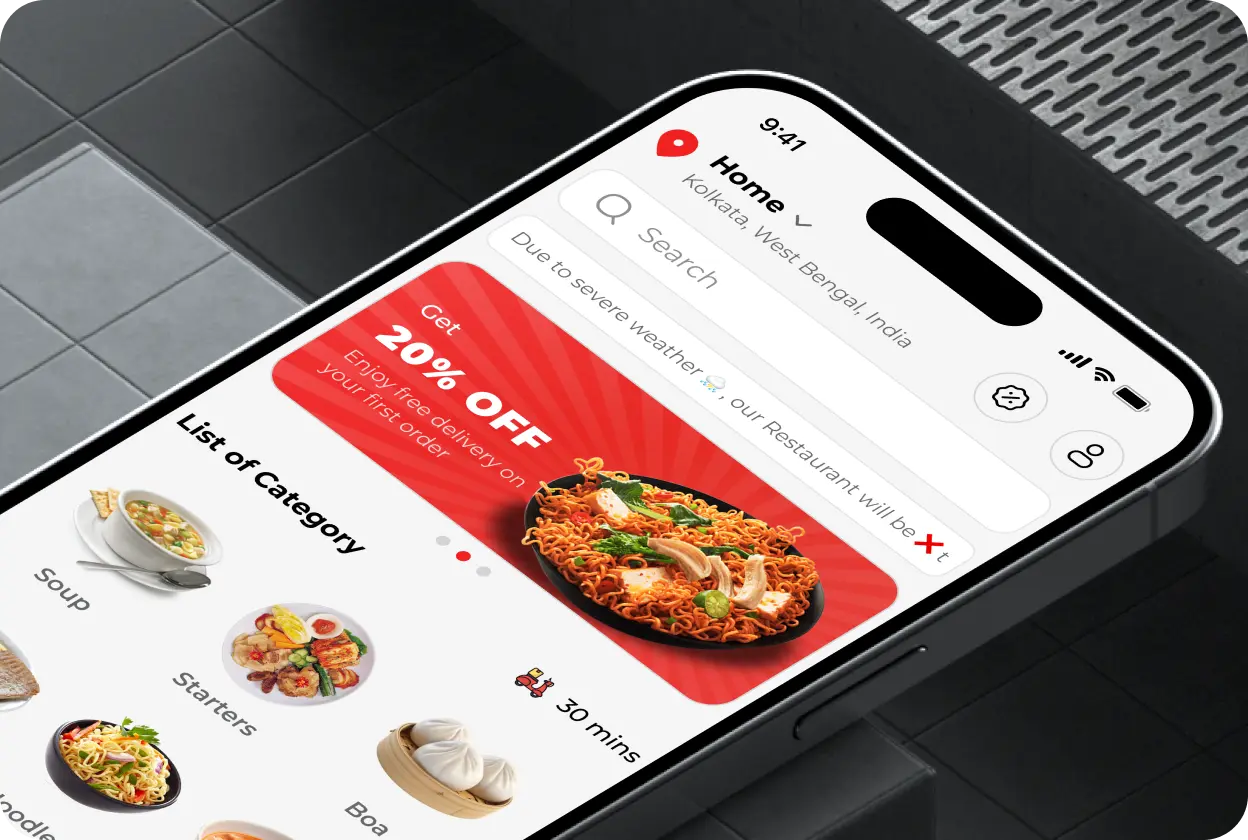 iOS App
The Chowman App
The Chowman App opens the gateway for the world of flavorful Chinese cuisine for customers directly from the famous Kolkata-based Chinese restaurant chains.
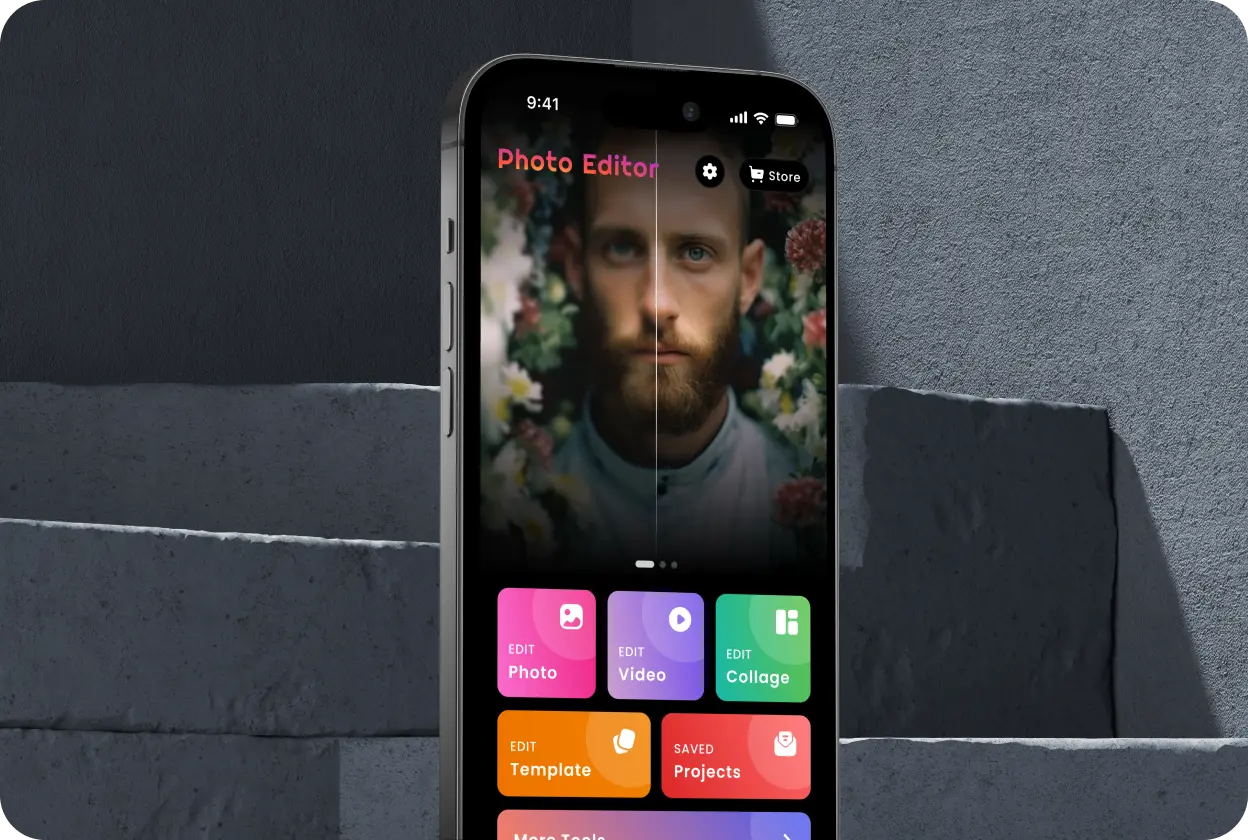 iOS App
Square Fit
A fantastic mobile app that helps you make beautiful photo & video edits on a single app. Square Fit includes 50+ tools to edit, add effects, and optimize images and videos.
Technology, Mastered
We don't just use technology — we understand it. Our team chooses the right frameworks and languages not because they're trendy, but because they're the best fit for your project.


Experience in Every Sector
15+ years of experience building production-grade software for businesses across diverse industries. We combine proven expertise with scalable, tailored solutions that adapt to your unique challenges, workflows, and growth goals.
Our React Native Technology Stack
React Native New Architecture with TypeScript, modern state management, native modules, and end-to-end CI/CD pipelines.
Framework & Language
State & Navigation
Native Modules
APIs & Services
Testing & CI/CD
Backend & Cloud
Why Companies Choose iCoderz for React Native
New Architecture expertise, TypeScript-first development, dual-platform submission, and React Native experience across 20+ industries since 2016. As a React Native app development company in India with global clients, iCoderz leverages React Native bridge modules and TurboModules for deep native integration on every project.
200+ React Native Apps Shipped
From startups to enterprise — we have shipped 200+ React Native apps across e-commerce, logistics, fintech, and social categories on both iOS and Android simultaneously. JavaScript teams, maximum output.
New Architecture & JSI Expertise
We build with React Native’s New Architecture (Fabric renderer, TurboModules, JSI) by default — not the legacy bridge. This means near-native performance, synchronous native calls, and access to the full native API surface.
Leverages Your Web Team’s Skills
React Native uses the same JavaScript/TypeScript and React component model as your web stack. If you have a React web team, they can contribute to your mobile app from day one — reducing onboarding cost significantly.
100% Code & IP Ownership
Full React Native source, package.json, native modules, and NDA from day one. No lock-in, no recurring fees. The codebase is yours — your web developers can read, maintain, and extend it after handover.
4.9/5 on Clutch & Google
Verified reviews across Clutch, GoodFirms, Google, and AppFutura. React Native clients rate us highly for New Architecture expertise, native module quality, and on-time launches across both platforms.
Explore More Mobile App Services
React Native is one of 13 mobile services we offer. Explore our full mobile app development portfolio.
Let's Talk About
Your Project
Book a 30-minute discovery call. We'll discuss your goals, timeline, and team requirements — then tell you honestly if we're the right partner.
You book a call → we confirm within 24 hours
30-minute video call to understand your project
Within 5 business days: proposal with scope, timeline & pricing
Get in Touch!
Yes. React Native powers production apps at Facebook, Microsoft (Outlook, Teams), Shopify, and Discord. The New Architecture (JSI + Fabric) eliminates the old JavaScript bridge for synchronous native calls — significantly improving performance. React Native is production-ready for most app categories except those requiring extreme graphics performance.
Freelance React Native developers charge $50–$150/hour. Offshore development companies like iCoderz offer full-team engagements with senior engineers at more competitive rates. A typical React Native MVP for both platforms costs $18K–$35K total. We provide detailed estimates after a free discovery call.
React Native builds cross-platform iOS and Android apps from a single JavaScript codebase that bridges to native components. Common uses include social apps, e-commerce, fintech, healthcare, on-demand delivery, and enterprise tools — especially when teams have existing React or JavaScript expertise they want to leverage.
Both are production-ready in 2026. Flutter renders its own UI for pixel-perfect cross-platform consistency and better animation performance. React Native bridges to native components and benefits from the larger JavaScript ecosystem. Choose React Native if you have JavaScript/React expertise or need platform-native UI patterns. Choose Flutter for UI-intensive apps needing pixel-perfect consistency.
For 80% of app use cases — yes. React Native with the New Architecture delivers near-native performance. Native Swift or Kotlin remains better for apps requiring extreme graphics (3D, AR), deep hardware access (BLE, camera APIs), or cutting-edge OS features before React Native adds support.
The New Architecture (Fabric + JSI + TurboModules) replaces the old asynchronous JavaScript bridge. JSI enables synchronous direct calls between JavaScript and native code. Fabric is the new concurrent rendering system. TurboModules load native modules lazily. Together they deliver significantly better performance, especially on lower-end Android devices.
You own 100% of the JavaScript/TypeScript source code, assets, and IP at project handover. We provide full code documentation, architecture diagrams, and deployment instructions for both App Store and Google Play. An NDA is signed before any project discussion begins.