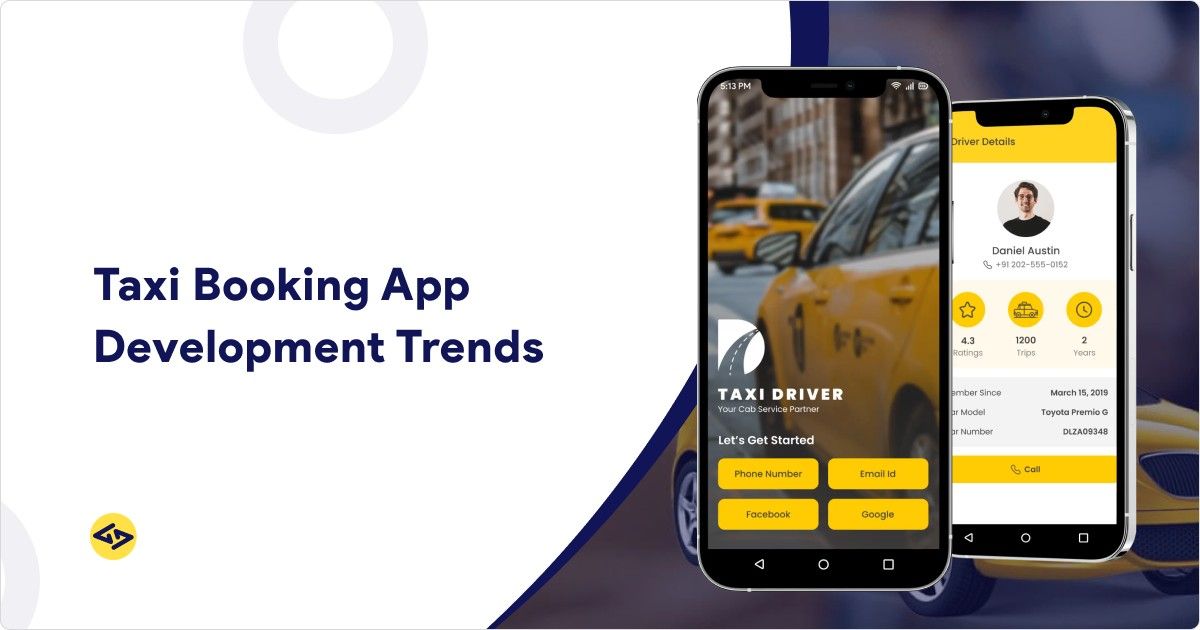
The ride-hailing industry has changed faster in the last three years than in the decade before it. Taxi booking app development trends in 2026 are being driven by AI, electric vehicles, and smart city integration, and riders now expect apps that are faster, safer, and more personalized than ever.
If you’re a startup founder, fleet owner, or enterprise CTO planning to launch or upgrade a taxi app, 2026 is the year to get it right. Riders want instant matching and transparent pricing. Drivers want fair earnings and safety tools. Regulators want compliance and sustainability. This guide walks through the latest taxi app development trends, the must-have features, real costs, and what the future of taxi booking apps looks like beyond 2026.
The State of the Taxi Booking Industry in 2026
Global Ride-Hailing Market Overview
The global ride-hailing market continues its steep upward trajectory, fueled by urban population growth, rising smartphone penetration, and a shift away from private car ownership in major cities. Growth is strongest in Southeast Asia, the Middle East, and North America, where taxi app industry trends 2026 point toward consolidation among a few AI-first platforms and a rising number of white-label local operators.
Key growth drivers include:
- Rising urban commuter populations
- Cheaper smartphones and mobile data
- Widespread adoption of digital payments
- Government push for EV adoption and emission reduction
- Increased investment in mobility-as-a-service (MaaS) platforms
Factors Driving Taxi App Innovation
Several forces are pushing operators to modernize their platforms:
- Urbanization — more people commuting daily in dense cities
- Smartphone adoption — near-universal access to booking apps
- Digital payments — cash is disappearing from the ride-hailing equation
- Sustainability initiatives — cities mandating lower-emission fleets
- Government regulations — stricter licensing, safety, and data laws
Top Taxi Booking App Development Trends in 2026
AI-Powered Ride Matching
AI in taxi booking apps is no longer optional, it’s the backbone of modern dispatch. Intelligent driver allocation matches the nearest, most suitable driver to a rider in seconds, cutting wait times and improving the overall experience. This is one of the most requested AI-powered taxi booking app features among new clients.
To see how this works in practice, check out our detailed breakdown of AI-powered taxi app development.
Predictive Demand Forecasting
AI models now forecast rider demand by location, time, and weather, helping fleets pre-position drivers before demand spikes. This reduces surge frustration and improves fleet utilization during peak hours.
Dynamic Pricing Using Machine Learning
Smart fare calculation engines adjust prices based on real-time demand, traffic, and rider history, enabling dynamic fare calculation that’s fairer and more transparent than static surge pricing models.
Voice-Based Ride Booking
Voice assistants are making hands-free booking mainstream, improving accessibility for elderly users and people with disabilities.
Generative AI Customer Support
AI chatbots now resolve most support tickets instantly, offering multilingual assistance around the clock without human agents.
Hyper-Personalized User Experience
Apps are learning rider preferences, favorite drop-off points, preferred vehicle types, and saved payment methods to deliver personalized promotions and ride recommendations.
Electric Vehicle (EV) Integration
EV taxi app development is one of the biggest ride-hailing app trends this year. Modern platforms now include EV fleet management, charging station locators, and real-time battery monitoring to keep electric fleets running efficiently.
For a closer look at pricing and functionality, see our guide on EV taxi booking app development cost and features.
Eco-Friendly Ride Options
Riders can increasingly choose “green rides,” track their carbon footprint, and see sustainability badges for EV or hybrid vehicles.
Multi-Modal Transportation
Leading apps now combine taxi, metro, and bike-share options in a single booking flow, giving riders the fastest or cheapest route across multiple transport modes.
Subscription-Based Ride Plans
Monthly ride passes, corporate subscriptions, and premium memberships are becoming a reliable recurring-revenue stream for operators.
Real-Time Route Optimization
AI-driven traffic prediction helps drivers avoid congestion, cutting fuel costs and delivering taxi app with route optimization as a standard, not a premium feature.
Contactless Payments & Digital Wallets
UPI, Apple Pay, Google Pay, and Buy-Now-Pay-Later options are now expected at checkout, not optional add-ons.
Advanced Driver Safety Monitoring
Behavior analytics, fatigue detection, and speed monitoring are helping fleets reduce accidents and insurance costs.
Enhanced Security Features
Taxi booking app security features like SOS buttons, live trip sharing, emergency contacts, and ride verification are now baseline expectations, especially for solo riders.
Blockchain-Based Payment Security
Blockchain is being piloted for secure, transparent, fraud-resistant payment records between riders, drivers, and platforms.
IoT Integration
Connected vehicle sensors feed real-time diagnostics into fleet dashboards, enabling predictive maintenance before breakdowns happen.
Data Analytics for Fleet Optimization
Performance dashboards now give operators a single view of revenue, driver efficiency, and vehicle health.
For a deeper technical breakdown of the stack powering these features, check out this guide on the tech stack for taxi app development.
Must-Have Features in Taxi Booking Apps for 2026
Passenger App Features
- Easy registration and login
- Advance ride scheduling
- Live GPS tracking
- Upfront fare estimator
- Ratings and reviews
- Multiple payment methods
- Ride history
Driver App Features
- Real-time earnings dashboard
- In-app navigation
- Ride request management
- Online/offline availability toggle
- Digital wallet management
Admin Panel Features
- Driver and fleet management
- Commission and payout management
- Analytics dashboard
- Customer support tools
- Promotions and discount management
Explore what a full-featured platform looks like in our on-demand taxi booking app solution.
Emerging Technologies Behind Modern Taxi Apps
Modern taxi platforms are built on a stack of interconnected technologies:
- Artificial Intelligence: smart matching and pricing
- Machine Learning: demand and behavior prediction
- Internet of Things (IoT): connected vehicle data
- Cloud Computing: scalable infrastructure
- Blockchain: secure transactions
- 5G Connectivity: real-time data with near-zero latency
- Big Data Analytics: actionable fleet insights
- Edge Computing: faster on-device processing for navigation and safety alerts
Benefits of Adopting These Taxi App Trends
Operators who adopt these trends early typically see:
- Improved customer satisfaction through faster, smarter bookings
- Lower operational costs via predictive maintenance and route optimization
- Higher driver efficiency with AI dispatch
- Better revenue generation from subscriptions and dynamic pricing
- Increased user retention through personalization
- Stronger market competitiveness against global platforms
To understand how these benefits translate into actual earnings, explore our guide on taxi app revenue models.
Challenges in Taxi Booking App Development
Building a modern taxi app isn’t without hurdles:
- Regulatory compliance across different cities and countries
- Data privacy requirements under evolving laws
- Cybersecurity risks tied to payment and location data
- Managing large driver networks at scale
- Competition from global ride-hailing platforms with deep pockets
Taxi App Development Cost in 2026
Factors Affecting Cost
The taxi booking app development cost depends on several variables:
- Number and complexity of features
- Platform (iOS, Android, or both)
- UI/UX design complexity
- Level of AI integration
- Third-party API integrations (maps, payments, SMS)
- Location of the development team
Estimated Cost Breakdown
- MVP (basic booking, tracking, payments): lower budget, faster launch
- Mid-level solution (AI matching, wallets, admin analytics): moderate investment
- Enterprise-grade platform (full AI stack, EV management, multi-modal transport): higher investment, built for scale
For a full pricing breakdown, read our detailed guide on taxi booking app development cost.
If you’re weighing your options before committing to a budget, it’s also worth comparing custom vs. ready-made taxi apps.
How to Choose the Right Taxi App Development Company
When evaluating a taxi app development company, look for:
- Industry experience: proven ride-hailing project history
- AI & mobility expertise: not just general app development
- Technology stack: modern, scalable, secure
- Portfolio evaluation: real apps, real results
- Post-launch support: ongoing maintenance and updates
- Scalability & security: ready to grow with your business
If you’re considering a faster route to market, a white label taxi booking app can significantly reduce development time and cost.
If you’d rather build a fully custom platform from the ground up, our step-by-step guide on how to build a taxi booking app like Uber walks through the entire process.
Future of Taxi Booking Apps Beyond 2026
Looking past 2026, expect to see:
- Autonomous ride-hailing fleets in select cities
- Robotaxis operating without human drivers
- Drone transportation for short urban hops
- AI-first mobility platforms that plan entire journeys
- Smart city integration connecting taxis with traffic and public transport systems
Conclusion
The biggest taxi booking app development trends in 2026 all point in one direction: smarter, greener, and more connected mobility. AI-powered matching and pricing, EV fleet integration, and rock-solid security features aren’t nice-to-haves anymore, they’re what riders expect by default.
Businesses that adopt these technologies now will be far better positioned to compete as autonomous vehicles and smart city integration become mainstream. Whether you’re building a new Uber clone app development project or upgrading an existing platform, the time to modernize is now.
If you’re just getting started, our guide on how to start a taxi business like Uber is a good place to begin.
Once you’re up and running, learn practical strategies for making money with an Uber-like taxi app.
Need help building a future-ready taxi app? Talk to our team at iCoderz Solutions about custom or white-label taxi booking app development.
Ready to Transform Your Taxi Business?
Leverage AI, smart mobility, and next-generation technologies to build a scalable, feature-rich taxi booking app.

Frequently Asked Questions (FAQs)
What are the latest taxi booking app development trends in 2026?
The top trends include AI-powered ride matching, predictive demand forecasting, EV fleet integration, dynamic pricing, multi-modal transportation, and advanced driver safety monitoring.
How is AI transforming taxi booking applications?
AI improves ride matching speed, powers dynamic pricing, forecasts demand, enables voice booking, and drives 24/7 chatbot-based customer support.
How much does it cost to develop a taxi booking app in 2026?
Cost depends on features, platforms, and AI integration, ranging from an affordable MVP to a full enterprise-grade platform.
What features should every taxi booking app include?
At minimum: live tracking, fare estimation, multiple payment options, ratings, an earnings dashboard for drivers, and a robust admin panel.
Why is EV integration becoming important for taxi apps?
EV integration supports sustainability goals, reduces fuel costs, and meets rising rider demand for eco-friendly rides.
How can businesses monetize a taxi booking app?
Common models include commission per ride, subscription plans, surge pricing, and in-app advertising.
Which technologies are essential for modern taxi app development?
AI, machine learning, IoT, cloud computing, blockchain, 5G, and big data analytics all play a role in building a competitive taxi app.
How long does it take to build a taxi booking app?
Timelines vary by scope, an MVP can launch in a few months, while a full enterprise platform with AI and EV features takes longer. Choosing a white-label solution can significantly shorten this timeline.