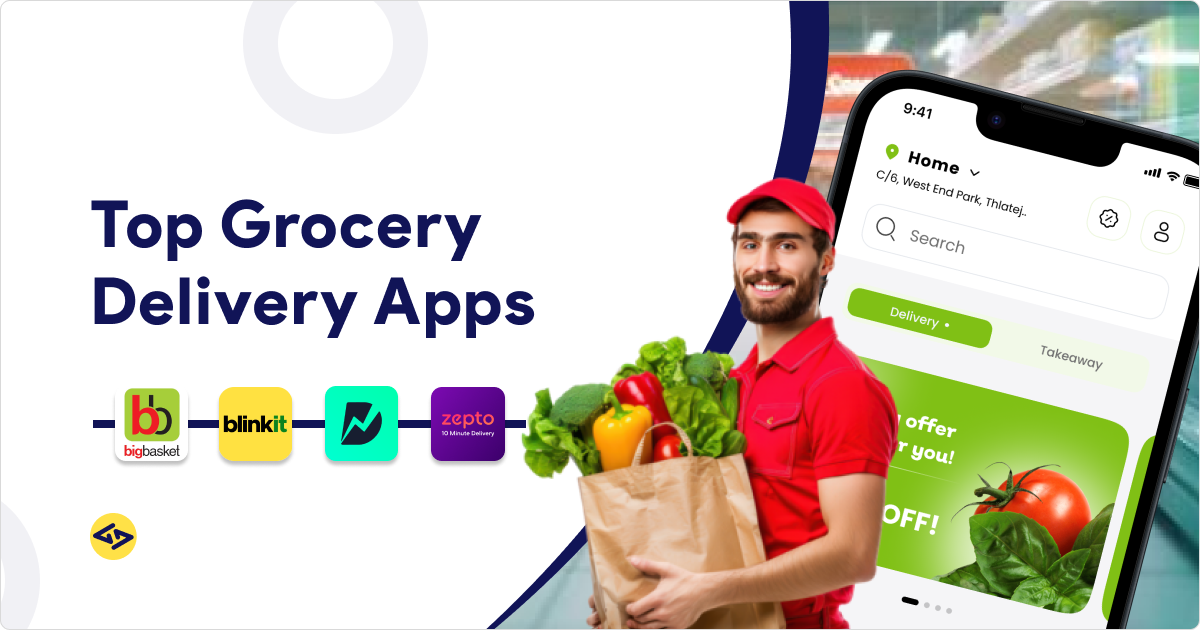
The top grocery delivery apps are redefining how consumers purchase everyday essentials in 2026.
From same-day supermarket delivery to 10-minute quick commerce, digital grocery platforms now combine logistics, AI-driven recommendations, and mobile-first design to deliver convenience at scale.
This guide covers the top grocery delivery apps globally, their core features, operational strengths, and what businesses can learn from their success.
Why Grocery Delivery Apps Continue to Grow
Online grocery adoption accelerated globally due to changing consumer behavior, digital payments, and faster logistics infrastructure. Today’s users expect:
- Same-day or instant delivery
- Real-time tracking
- Multiple payment options
- Seamless mobile checkout
- Wide product availability
The growth of quick commerce and hyperlocal warehousing models has further intensified competition in this space. If you want a deeper understanding of the complete ecosystem, it is essential to understand how does an online grocery delivery app work to connect customers, drivers, and stores efficiently.
Top Grocery Delivery Apps Worldwide (2026)
Below are the most dominant grocery delivery platforms based on operational scale, brand demand, and geographic impact.
1. Walmart
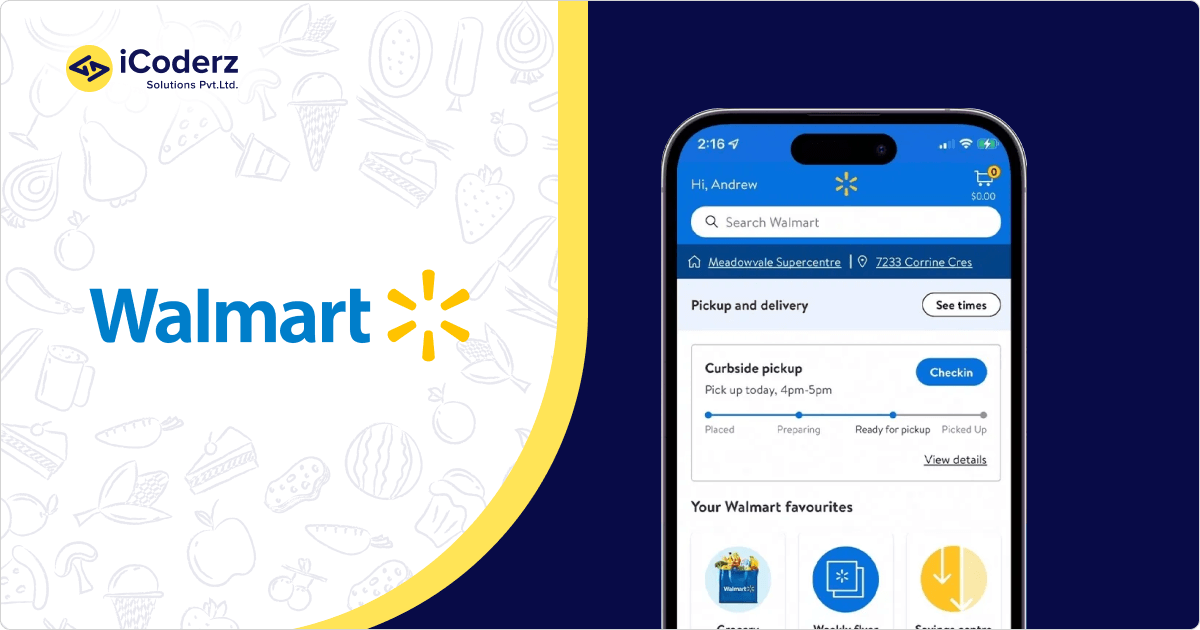
Walmart operates one of the largest grocery delivery networks globally. With thousands of physical stores supporting digital fulfillment, it combines curbside pickup and same-day delivery.
App Features
- Same-day grocery delivery
- Scheduled delivery slots
- Curbside pickup
- Subscription membership (Walmart+)
- Real-time order tracking
Market Strength
- Strong U.S. dominance
- Integrated omnichannel strategy
- Efficient supply chain network
Walmart’s hybrid retail-digital model sets a benchmark for scalable grocery platforms.
2. Amazon Fresh
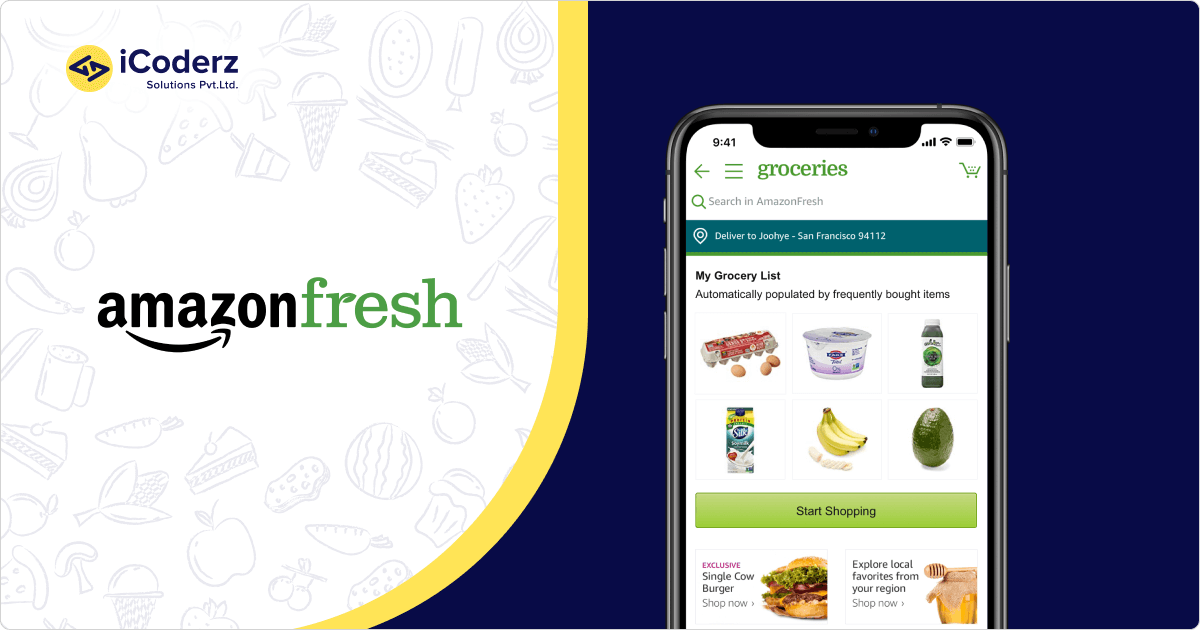
Amazon Fresh integrates grocery delivery within the Amazon ecosystem. It benefits from Prime integration, fast fulfillment, and strong logistics.
App Features
- Prime-based free delivery
- AI-powered product recommendations
- One-click checkout
- Fresh produce and private labels
- Flexible delivery windows
Market Strength
- Strong global brand recognition
- Massive infrastructure
- High branded search demand
3. Instacart
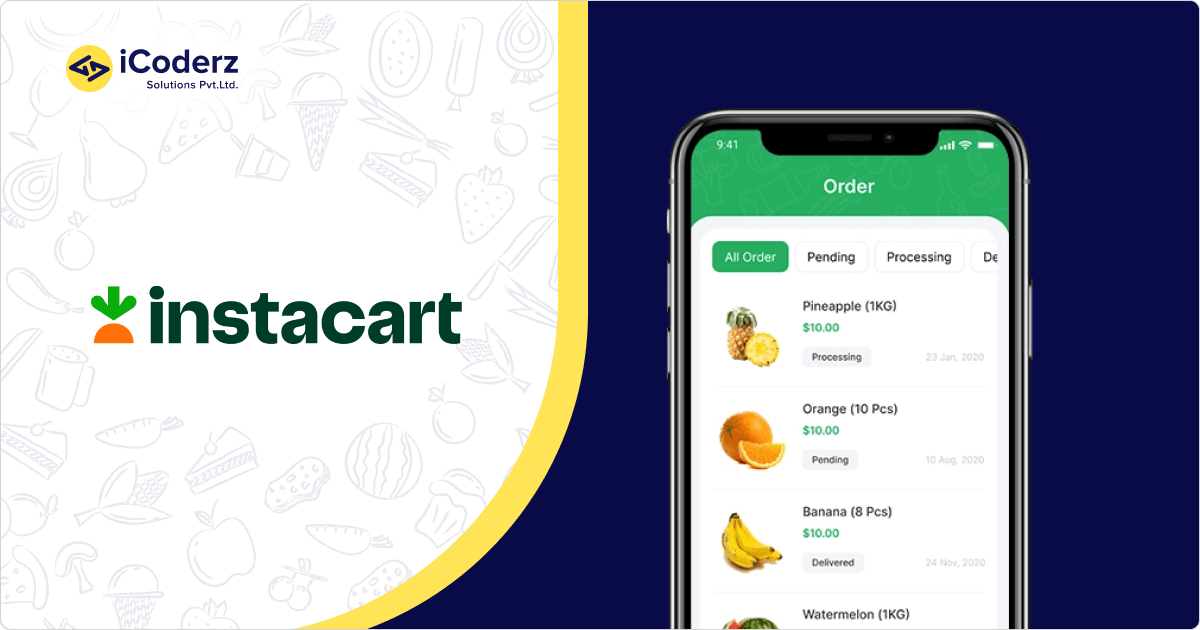
Instacart partners with multiple grocery chains and enables users to shop across stores in one interface.
App Features
- Multi-store shopping
- Personal shopper model
- Real-time item replacement options
- In-app chat support
- Same-day delivery
Market Strength
- Asset-light partnership model
- Strong North American presence
- High consumer trust
Businesses inspired by this model can explore Instacart-like grocery apps development to enable multi-vendor shopping experiences.
4. Kroger
Kroger leverages its supermarket network to offer grocery pickup and delivery.
App Features
- Scheduled delivery
- Digital coupons
- Loyalty rewards integration
- Store-based inventory sync
Market Strength
- Strong regional dominance
- Private-label product advantage
5. Carrefour
Carrefour operates across Europe, the Middle East, and parts of Asia.
App Features
- Home delivery
- Click-and-collect
- Discount promotions
- Multi-language interface
Market Strength
- Strong omnichannel integration
- Established consumer base
6. Ocado
Ocado is a technology-driven online supermarket known for warehouse automation.
App Features
- Smart warehouse fulfillment
- Predictive inventory management
- Scheduled delivery
- Advanced logistics optimization
Market Strength
- Automation-led efficiency
- UK-focused but tech globally licensed
7. Zepto
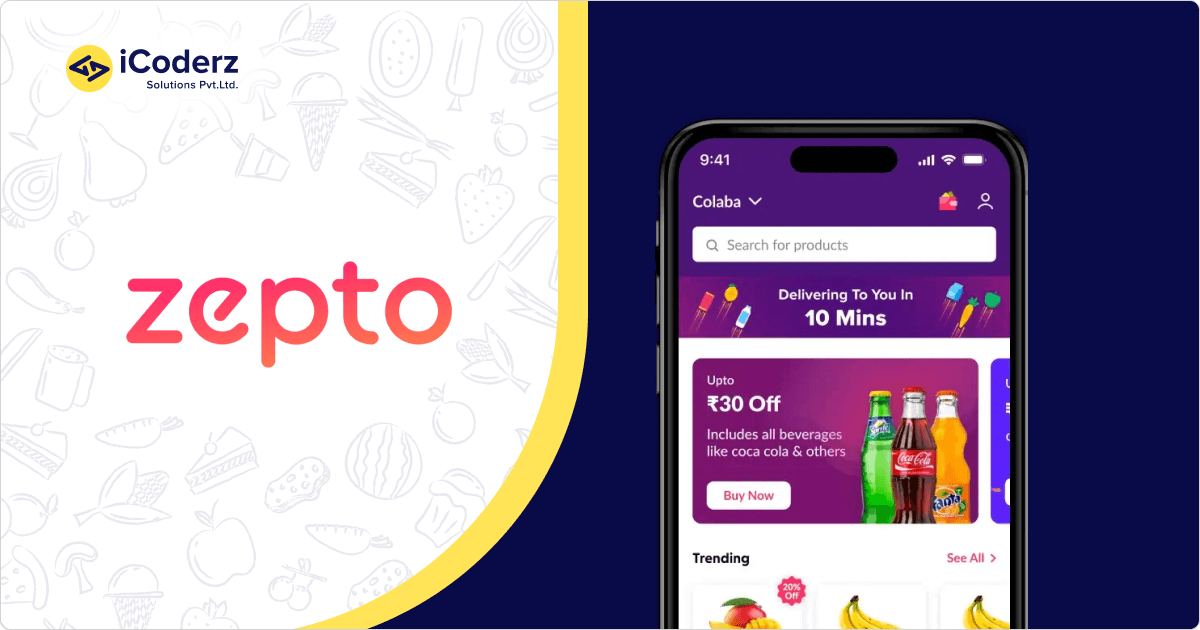
Zepto represents the rise of ultra-fast grocery delivery using micro-warehouses. This success has led to a surge in specialized quick commerce delivery app development.
App Features
- 10-minute delivery
- Dark store fulfillment
- Real-time tracking
- Instant payment options
Market Strength
- Urban market dominance
- Strong quick commerce positioning
Startups often ask how to start a 10-minute grocery delivery business like Zepto. The secret lies in the Zepto business model, which relies on high-density dark stores for speed.
8. Blinkit
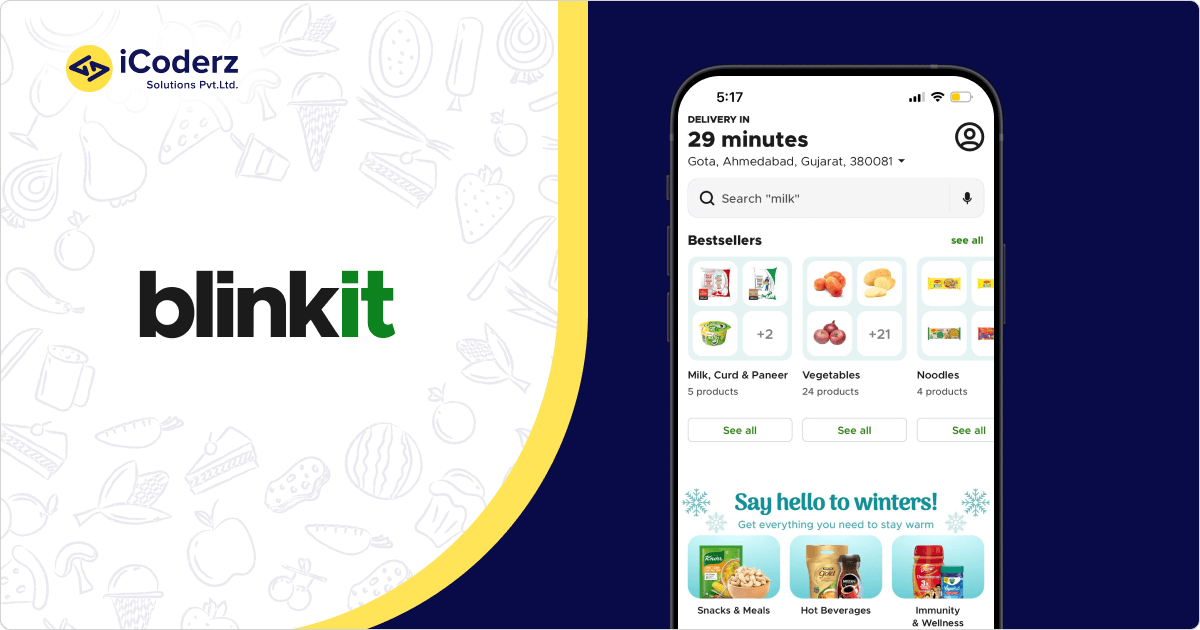
Blinkit focuses on fast urban grocery delivery using optimized local fulfillment. Many entrepreneurs now look for ways on how to create an app like Blinkit to capture this market.
App Features
- Express delivery
- Wide SKU range
- Subscription options
- Mobile-first design
Market Strength
- Understanding the Blinkit business model helps businesses balance delivery speed with operational costs.
9. Swiggy Instamart
Swiggy Instamart leverages its existing delivery fleet to expand into groceries.
App Features
- Integrated food + grocery ecosystem
- Fast last-mile delivery
- App-based promotions
10. BigBasket
BigBasket offers scheduled deliveries and subscription models.
App Features
- Bulk grocery shopping
- Scheduled time slots
- Subscription-based recurring orders
- Large product inventory
Core Features of Successful Grocery Delivery Mobile Apps
While the Top grocery delivery apps differ in geography and scale, they share common elements:
- Real-Time Tracking: Customers expect live delivery updates and order visibility.
- Smart Inventory Management: Warehouse syncing and stock automation prevent cancellations.
- Multiple Delivery Models: Instant delivery, Same-day delivery, Scheduled delivery.
- Secure & Flexible Payments: Digital wallets, Credit/debit cards, Subscription billing.
- Scalable Backend Infrastructure: Cloud-based systems support demand spikes.
For complete mobile application development services, it is best to consult with experts in the field.
How to Build a Grocery Delivery App in 2026
If you plan to launch a grocery platform, you need a Customer app, Delivery partner app, Admin dashboard, Inventory & warehouse management, and a Real-time tracking system. You should start by looking into a robust on-demand grocery delivery app solution.
Technology choice matters. Cross-platform frameworks like Flutter for grocery delivery app development can reduce development cost and time.
To understand investment planning, you must analyze the cost to develop a grocery delivery app before starting.
Make the Next Biggest Grocery Delivery App!
The top grocery delivery apps in 2026 demonstrate how logistics innovation, intuitive mobile design, and fast fulfillment models drive digital grocery dominance. From global retail giants to quick commerce startups, success depends on operational efficiency and seamless user experience.
As consumer expectations continue evolving, businesses entering this market must prioritize scalability, real-time infrastructure, and technology-driven automation.
With the right strategy and development partner, launching a competitive grocery delivery app is not just possible—it is a significant growth opportunity. If you want expert consultation or a project estimate, contact us today.