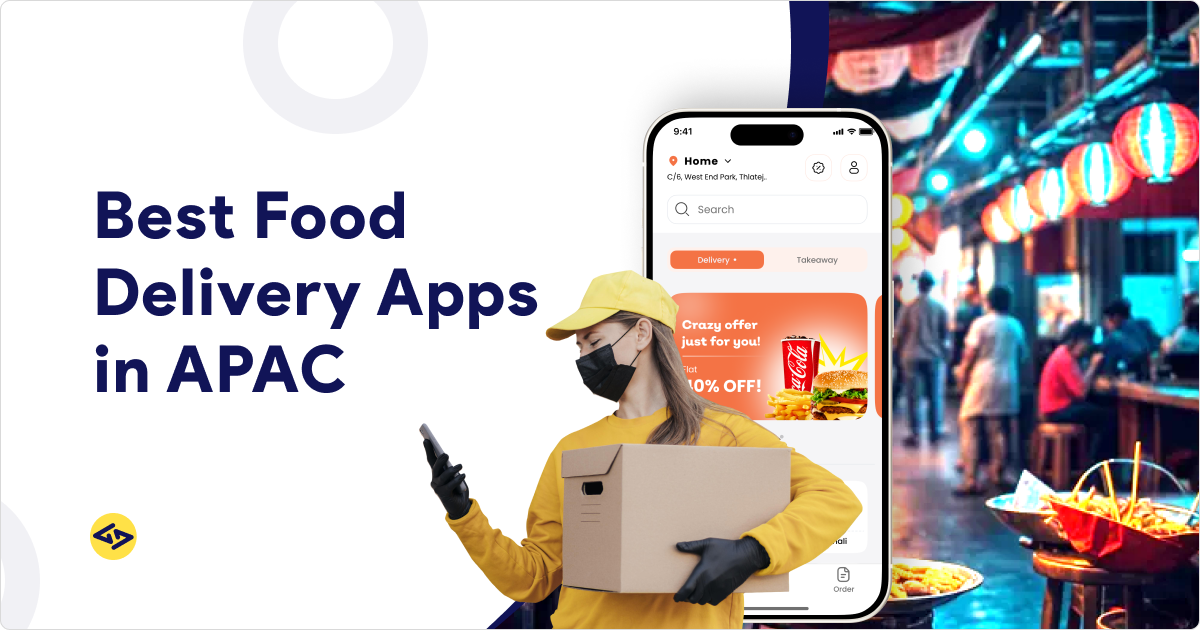
The Asia-Pacific (APAC) region continues to dominate the global food delivery industry in 2026. Fueled by rising smartphone penetration, expanding digital payments, and integrated super-app ecosystems, APAC leads worldwide in online food delivery adoption and revenue. The Top Food Delivery Apps in APAC are not just regional leaders, they dominate the global online food delivery industry
According to industry forecasts, the Asia-Pacific online food delivery market is projected to grow at a CAGR of over 8% between 2025 and 2030, driven by strong demand in China, India, Southeast Asia, and developed APAC markets.
In fact, the region contributes more than 40% of global online food delivery revenue, making it the most significant regional market worldwide.
In this comprehensive guide, we analyze the Top Food Delivery Apps in APAC based on downloads, ratings, regional dominance, and market influence.
Why APAC Leads the Global Food Delivery Industry
Before diving into individual apps, it’s important to understand the key drivers behind APAC’s leadership:
Urban Density & Rising Consumption
Cities like Shanghai, Mumbai, Bangkok, Jakarta, and Seoul have massive populations with high usage of on-demand services.
Mobile-First Consumer Behavior
Over 80% of APAC food delivery orders are placed via mobile apps, making mobile strategy crucial.
Super-App Ecosystems
Unlike many Western markets, APAC is home to multiple super apps — platforms that combine food delivery with ride-hailing, digital wallets, groceries, and more — creating stickier user engagement.
Top Food Delivery Apps in APAC (2026)
When analyzing the largest food delivery company in Asia, one name consistently stands out: Meituan. However, different markets within APAC have their own dominant players.
Below are the most used food delivery apps in Asia-Pacific across major markets.
1. Meituan — China’s Food Delivery Powerhouse
Overview: Meituan is the dominant food delivery platform in China, the world’s largest single national food delivery market.
Key Facts
- In 2025, Meituan’s delivery arm processed approximately 21.9 billion food delivery orders, making it one of the busiest platforms globally.
Source: https://www.statista.com/topics/7139/online-food-delivery-in-china/
Why It’s Ranked #1
- Deep logistics and AI dispatch capabilities
- Massive merchant network and user base
- Strong synergy with Meituan’s non-food services (hotel booking, travel, lifestyle)
Meituan’s success highlights how integrated ecosystem platforms can dominate massive markets — a strategy worth studying for anyone interested in building their own delivery platform.
2. GrabFood — Southeast Asia’s Super App Delivery Leader
Overview: GrabFood is widely considered the best food delivery app in Southeast Asia due to its super-app integration. GrabFood operates in Singapore, Malaysia, Thailand, Vietnam, Philippines, and Indonesia. It is part of the Grab super-app, which combines ride-hailing, payments (GrabPay), and delivery.
Key Facts
- Estimated 20M+ downloads across Southeast Asian markets (iOS + Android combined)
- Consistently features in top-ranked food delivery charts in SEA app stores
Why It Matters
GrabFood’s integration with GrabPay and ride services drives high usage and repeat orders. This makes it a powerful example for anyone looking to understand multi-service app ecosystems.
3. Zomato — India’s Delivery & Discovery Giant
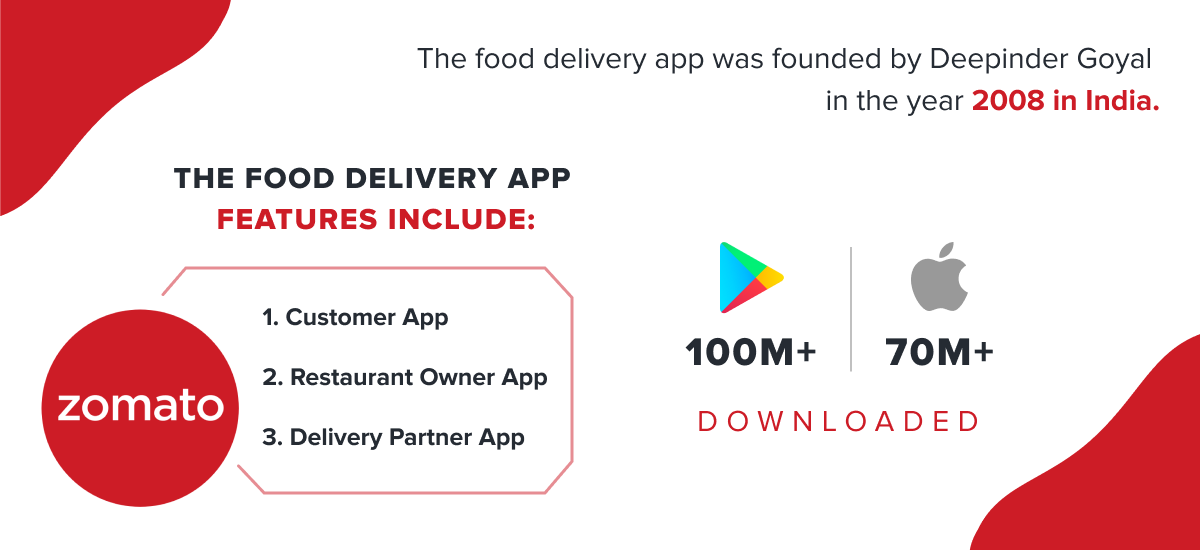
Overview: Zomato is one of India’s most used food delivery apps, with strong presence in large metro cities and expanding into smaller towns.
Key Facts
- 100M+ Google Play downloads
- 4.4★ rating on Google Play and 4.6★ on Apple App Store
Zomato’s platform blends food discovery, reviews, loyalty programs, and delivery logistics — giving it an edge in user engagement and retention.
Explore more about Zomato’s strategic growth in our detailed Zomato Business Model analysis.
4. Swiggy — India’s Fast Delivery Champion
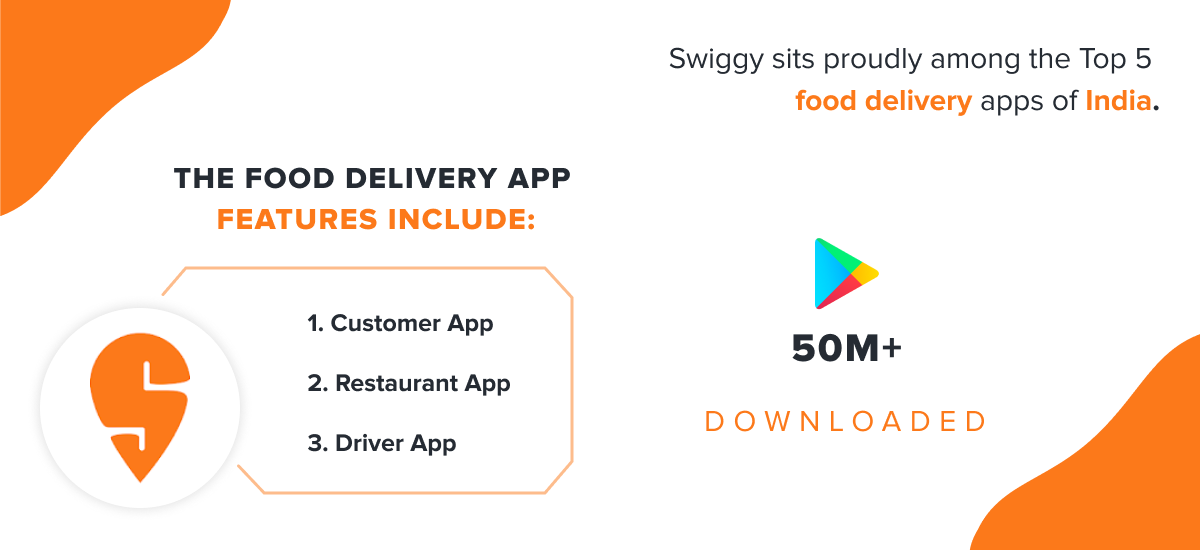
Overview: Swiggy is Zomato’s closest competitor in India and continues to grow through new service expansions and quick-commerce offerings.
Key Facts
- 50M+ Google Play downloads
- 4.3★ Play Store rating and 4.6★ App Store rating
Swiggy has rapidly expanded into grocery and essentials delivery, with its Instamart service now a strong part of its ecosystem.
For insights into how Swiggy operates and scales, see our Swiggy Business Model blog:
5. Foodpanda — A Major Player Across Southeast Asia
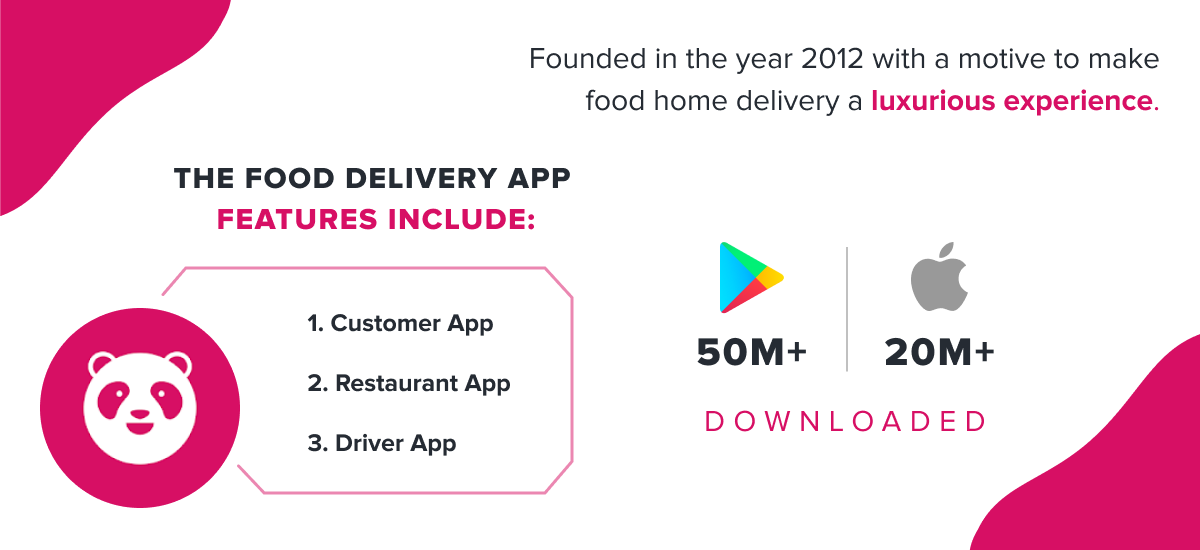
Overview: Foodpanda is widely used in markets like Malaysia, Singapore, Philippines, and Hong Kong.
Key Metrics
- 4.2★ average rating on Google Play
- 4.6★ rating on Apple App Store
- Millions of cumulative downloads across APAC
Foodpanda remains competitive through localized partnerships, promotions, and delivery speed in urban centers.
6. Uber Eats — Developed APAC Markets & Global Tech Edge
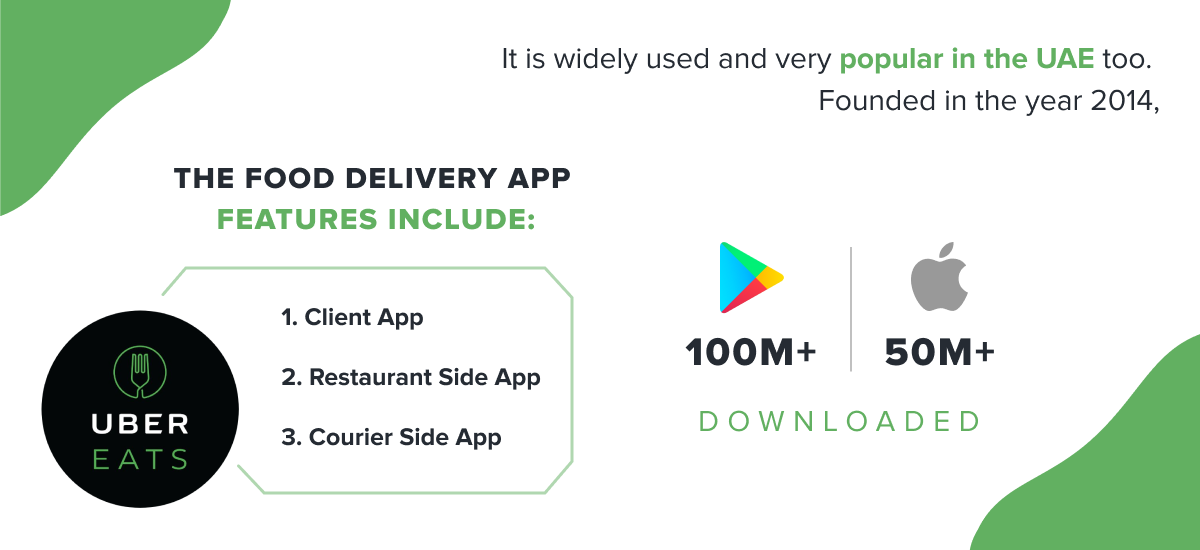
Overview: Uber Eats continues to be a significant player in developed APAC countries including Japan, Taiwan, Australia, and New Zealand.
In 2025, Uber Eats reportedly generated over $12 billion in global delivery revenue, reflecting its scale and operational capacity.
Regional Strengths
- Strong brand recognition
- Highly optimized delivery logistics
- Premium user base in developed cities
For entrepreneurs studying global models, our Uber Eats Business Model blog is a great deep dive.
7. Coupang Eats — South Korea’s Fast-Growing Delivery Star
Overview: In South Korea — one of the most digitally advanced countries in APAC — Coupang Eats has quickly grown its presence.
Key Metrics
- 4.7★ App Store rating
- Strong adoption in urban areas backed by Coupang’s logistics ecosystem
Coupang Eats benefits from South Korea’s high smartphone usage and fast delivery expectations.
APAC Food Delivery Trends in 2026
The APAC region isn’t just large; it’s dynamic and rapidly evolving. Key trends to watch include:
1. Quick Commerce
Cities like Singapore, Seoul, and Mumbai now often offer delivery times under 30 minutes for both food and essentials — blending food delivery with instant commerce.
2. AI & Predictive Logistics
Platforms increasingly use AI to predict demand, optimize rider allocation, and reduce delivery times — improving efficiency and customer satisfaction.
3. Subscription & Loyalty Programs
Monthly plans and membership models (e.g., free delivery, reward points) are driving repeat orders and strong customer retention.
4. Ecosystem Expansion
Food apps are expanding beyond meals to include:
- Grocery delivery
- Pharmacy/health essentials
- Convenience items
- Ride and wallet integrations
This trend makes them more than food apps — turning them into everyday lifestyle utilities.
How This Ranking Helps Your Strategy
Whether you are:
- Exploring the delivery ecosystem
- Planning to build your own delivery app
- Analyzing competitive landscapes
- Looking to integrate delivery into a super-app
Understanding the leaders in APAC gives you a competitive benchmark for strategy and technology.
If you want to launch a platform, our guide on building delivery apps shows the key steps, features, and cost factors:
You can also explore Food & Beverages Software Solutions to understand the broader digital ecosystem.
For tailored development or consultation, reach out to our experts!
Top Food Delivery Apps in APAC – 2026 Comparison
| Rank | App Name | Primary Region | Google Play Downloads | Avg Rating | Key Strength |
| 1 | Meituan | China | Multi-billion transactions | 4★+ | Market dominance |
| 2 | GrabFood | Southeast Asia | 20M+ (regional est.) | 4.3★+ | Super-app ecosystem |
| 3 | Zomato | India | 100M+ | 4.4★+ | Discovery + loyalty |
| 4 | Swiggy | India | 50M+ | 4.3★+ | Quick commerce |
| 5 | Foodpanda | SEA | 10M+ per country | 4.2★+ | Regional reach |
| 6 | Uber Eats | Japan/Australia | 500M+ global | 4.5★+ | Global brand |
| 7 | Coupang Eats | South Korea | Millions | 4.7★ | Fast urban delivery |
Frequently Asked Questions (FAQ)
Q1. Which food delivery app is the most used in APAC?
Meituan leads in terms of order volume due to China’s massive delivery demand.
Q2. Are there different leaders in different APAC markets?
Yes — for example, GrabFood leads in Southeast Asia, while Zomato and Swiggy dominate India.
Q3. What trends are shaping the food delivery market in APAC?
Quick commerce, super-app ecosystems, AI logistics, and subscription models are key growth drivers.