Imagine ordering fuel to your location with a few taps, no gas station, no wait. On-demand fuel delivery is reshaping how individuals, fleet operators, and construction businesses refuel. But with that convenience comes a serious question: are fuel delivery apps really safe?
The answer is yes when built right. Fuel Delivery App Safety and Compliance play a critical role in ensuring secure and reliable operations. It’s not just about avoiding spills; it also covers hazardous material handling, data encryption, regulatory compliance, and real-time emergency protocols. This blog breaks down exactly how leading fuel delivery apps manage risk, meet legal standards, and earn customer trust.
What Are Fuel Delivery Apps?
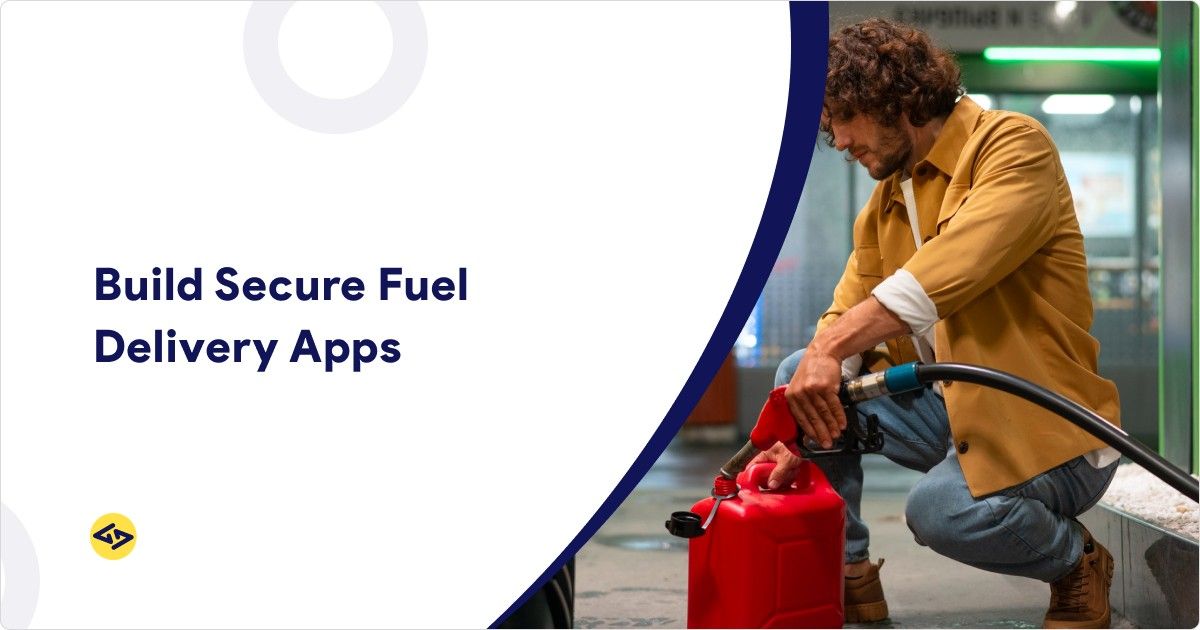
A fuel delivery app is a mobile platform that connects customers with certified fuel delivery vehicles. Users enter their location, select a fuel type, and a trained driver delivers directly to their car, fleet depot, or job site.
Common use cases include:
- Personal vehicles — stranded drivers or pre-scheduled top-ups
- Commercial fleets — overnight refueling for trucks, vans, and heavy machinery
- Construction sites — on-demand diesel for generators and equipment
- Emergency services — rapid fuel response for critical operations
Apps like EzFill, Booster, and Yoshi have shown this model works at scale. Want to understand how the business side operates? See our breakdown of the Booster fuel delivery business model.
Why Safety & Compliance Matter in Fuel Delivery
Fuel is classified as a hazardous material under regulations like the U.S. DOT’s Hazardous Materials Regulations (HMR) and similar frameworks globally. This isn’t bureaucratic paperwork; it reflects real-world risks.
Key dangers in fuel transportation include:
- Fire and explosion from vapor ignition
- Environmental damage from spills or leaks
- Health risks from prolonged fuel vapor exposure
- Vehicle accidents during transit
Non-compliance isn’t just dangerous; it’s costly. Violations can result in heavy fines, license revocations, civil liability, and reputational damage that no marketing budget can repair.
More importantly, customers handing over payment information and physical access to their vehicles expect discretion, professionalism, and reliability. Trust is the foundation of any on-demand fuel delivery business.
Major Safety Challenges in Fuel Delivery Apps
Fuel Transportation Risks
Unlike courier delivery, fuel delivery involves a flammable, volatile substance. The primary physical risks are:
- Leakage during loading, transit, or dispensing
- Fire hazards from static electricity, improper grounding, or nearby ignition sources
- Explosion risks when fuel vapors accumulate in enclosed spaces
These aren’t hypothetical. Proper equipment, training, and real-time monitoring are non-negotiable.
Driver Safety Concerns
Drivers are the frontline of safety. They must be trained in:
- Safe dispensing procedures — correct nozzle handling, grounding, spill kits
- Route safety — avoiding high-risk areas, traffic-heavy roads, and restricted zones
- Emergency response — knowing exactly what to do in case of a spill or fire
Payment & Data Security
Mobile fuel delivery safety extends beyond the physical. Customers share payment credentials and location data, making cybersecurity a critical concern. Fuel delivery platforms must protect against:
- Card fraud and unauthorized transactions
- Data breaches exposing personal information
- GPS spoofing or route manipulation
Key Safety Features in Fuel Delivery Apps
This is where great fuel delivery app features separate compliant platforms from risky ones.
Real-Time GPS Tracking
Live vehicle monitoring lets dispatchers and customers see exactly where the delivery vehicle is at all times. This enables:
- Route optimization to avoid hazardous roads and high-traffic zones
- Emergency tracking so response teams can locate a vehicle instantly in case of an incident
- Delivery confirmation with geofenced arrival alerts
Driver Verification & Training
Every driver on a compliant platform should hold valid certifications for hazardous material handling. Best-in-class apps enforce:
- Background checks and credential verification before onboarding
- Periodic safety training covering spill response, fire safety, and equipment checks
- In-app compliance checklists that drivers complete before each delivery
Automated Emergency Alerts
When something goes wrong, speed matters. Modern fuel delivery apps include:
- One-tap incident reporting for drivers to alert dispatch instantly
- Automated notifications to emergency services when GPS detects anomalies (sudden stop, deviation from route)
- Customer alerts if a delivery is delayed or rerouted due to a safety event
Secure Payment Integration
Fuel delivery app security for transactions means more than an SSL certificate. Look for:
- PCI-DSS compliant payment gateways (Stripe, Braintree, etc.)
- Tokenized card storage so raw card data is never held on servers
- Two-factor authentication for account access and high-value orders
Fuel Quality Monitoring
Contaminated fuel causes engine damage and erodes customer trust fast. Quality-focused apps implement:
- IoT sensors in tank trucks to monitor fuel purity and temperature
- Pre-delivery quality checks with digital sign-off before dispatch
- Batch tracking to trace fuel back to its source if issues arise
Compliance Regulations Fuel Delivery Apps Must Follow
Fuel delivery compliance standards vary by country and region, but most platforms operating in North America, Europe, and the Middle East must address these core areas.
Transportation Safety Regulations
- PHMSA / DOT Hazmat Rules (U.S.): Governs packaging, labeling, vehicle placarding, and driver training for flammable liquids
- Vehicle inspection standards: Trucks must meet roadworthiness requirements, including tank integrity checks and emergency shutoffs
- OSHA standards: Workplace safety regulations covering fuel handling and employee protection
Environmental Compliance
- EPA Spill Prevention, Control, and Countermeasure (SPCC) Plans: Required for operations above certain fuel volume thresholds
- State and local environmental regulations: Cover secondary containment, vapor recovery, and waste disposal
- Spill response protocols: Documented procedures for containing and reporting spills
Licensing & Certification
Running a fuel delivery business without the right credentials is a liability minefield. Requirements typically include:
- Business licenses for fuel retail/distribution at state and local levels
- Hazmat driver certifications (CDL with Hazmat endorsement in the U.S.)
- EPA and fire department operational approvals
- Tank inspection certificates renewed annually
Data Privacy Regulations
- GDPR (EU users): Governs how customer data is collected, stored, and deleted
- CCPA (California): Gives consumers rights over their personal data
- PCI-DSS: Required for any business storing or processing card payment data
A compliance gap in any of these areas can expose your business to significant legal and financial consequences.
How Technology Improves Safety & Compliance
The best fuel delivery app tech stack doesn’t just power operations; it actively enforces safety and compliance.
AI-Based Route Optimization
AI algorithms analyze real-time traffic, weather, road restrictions, and historical accident data to recommend the safest delivery routes. This reduces:
- Driver fatigue from inefficient routing
- Accident risk in high-density urban areas
- Fuel consumption (which also supports environmental compliance)
IoT Sensors for Continuous Monitoring
Smart sensors installed in delivery vehicles and storage tanks track:
- Temperature to prevent fuel degradation
- Leak detection with automated cutoffs if a sensor reads abnormal vapor levels
- Tank fill levels to prevent overfilling during loading
Digital Compliance Reporting
Manual paperwork is both slow and error-prone. Digital compliance systems generate:
- Automated delivery logs with timestamped records for every transaction
- Inspection reports ready for regulatory audits
- Driver activity reports tracking training completions and certification expiry
Best Practices for Fuel Delivery Businesses
Whether you’re launching a startup or scaling an existing operation, these practices form the backbone of safe, compliant fuel delivery:
- Conduct regular safety audits — monthly reviews of vehicles, equipment, and driver compliance
- Train staff continuously — not just at onboarding, but with quarterly refreshers on updated regulations
- Maintain regulatory records — keep digital logs of all permits, inspections, and certifications
- Update your technology infrastructure — outdated apps create security vulnerabilities; invest in regular updates
- Perform risk assessments — before entering new markets, map out local regulatory requirements and hazard profiles
Benefits of Safety-Compliant Fuel Delivery Apps
Building safety into your platform from day one isn’t just about avoiding penalties; it drives tangible business value:
| Benefit | Impact |
| Reduced operational risks | Fewer accidents, lower insurance costs |
| Improved customer trust | Higher retention and positive reviews |
| Better regulatory compliance | Avoid fines and license suspensions |
| Enhanced operational efficiency | Optimized routes, fewer delays |
| Stronger business reputation | Competitive advantage in a growing market |
Compare how fuel delivery platforms stack up against adjacent markets in our fuel delivery app vs EV charging app analysis.
Future Trends in Fuel Delivery Safety & Compliance
The next generation of mobile fuel delivery safety will be driven by emerging technologies:
- AI-powered predictive safety systems that flag high-risk deliveries before they happen based on weather, location, and driver history
- Smart fleet monitoring with vehicle-to-cloud telemetry giving dispatchers a live safety dashboard for every truck
- Predictive maintenance using sensor data to schedule repairs before equipment failures occur in the field
- Automated compliance management where AI tracks regulatory changes and updates delivery protocols accordingly; reducing manual compliance burden dramatically
Conclusion: Why Fuel Delivery App Safety and Compliance Matter
Safety and compliance aren’t afterthoughts in fuel delivery; they’re the foundation everything else is built on. From hazardous material handling and driver certification to encrypted payments and automated regulatory reporting, every layer of a well-built fuel delivery app serves a safety or compliance purpose.
Technology is the great enabler here. AI-driven routing, IoT sensors, and digital compliance dashboards are transforming what was once a manual, risk-heavy process into a reliable, auditable, and scalable service.
If you’re planning to build a compliant fuel delivery platform, the architecture and features you choose at the start will define your risk profile for years. Explore the top fuel delivery apps to see what the market leaders are doing right; or review our complete guide on how to develop a fuel delivery app for a full technical roadmap.
Ready to build a safe, compliant fuel delivery app? The team at iCoderz Solutions specializes in fuel delivery app development with compliance built in from day one. Let’s talk about your project.
Ready to Build Your Fuel Delivery Platform?
Develop a regulation-ready fuel delivery app with smart routing, secure payments, and automated compliance management.

Frequently Asked Questions
Are fuel delivery apps safe?
Yes, when built with proper safety features — GPS tracking, certified drivers, IoT monitoring, and encrypted payments — fuel delivery apps are safe for both customers and operators.
What regulations apply to fuel delivery apps?
Key regulations include DOT/PHMSA hazmat transport rules, OSHA workplace safety standards, EPA spill prevention requirements, and data privacy laws like GDPR and CCPA.
How do fuel delivery apps prevent accidents?
Through AI-based route optimization, driver training and certification, real-time GPS monitoring, and automated emergency alerts that enable fast incident response.
How do fuel delivery apps handle hazardous materials?
They require certified hazmat drivers, use sealed tank trucks with leak detection sensors, enforce pre-delivery equipment checks, and maintain documented spill response plans.
What safety measures do fuel delivery apps use?
Core measures include real-time GPS tracking, IoT fuel quality sensors, automated emergency alerts, driver background checks, and PCI-DSS compliant payment processing.
How do fuel delivery apps comply with regulations?
Through digital compliance reporting, automated record-keeping, certified driver onboarding, and regular safety audits aligned to local and federal requirements.
Why is compliance important in fuel delivery apps?
Non-compliance risks fines, license loss, civil liability, and reputational damage. Compliance also directly reduces accident risk and improves operational efficiency.
What licenses are needed for fuel delivery apps?
Typically a fuel distribution business license, CDL with hazmat endorsement for drivers, EPA operational approvals, and fire department certifications — requirements vary by location.
How do fuel delivery apps ensure secure transactions?
Through PCI-DSS compliant gateways, tokenized card storage, SSL/TLS encryption, and two-factor authentication on user accounts.
Can fuel delivery apps be used for commercial fleets?
Yes, commercial fleet fueling is one of the most popular use cases, with apps offering scheduled bulk deliveries, fleet account management, and consumption reporting.