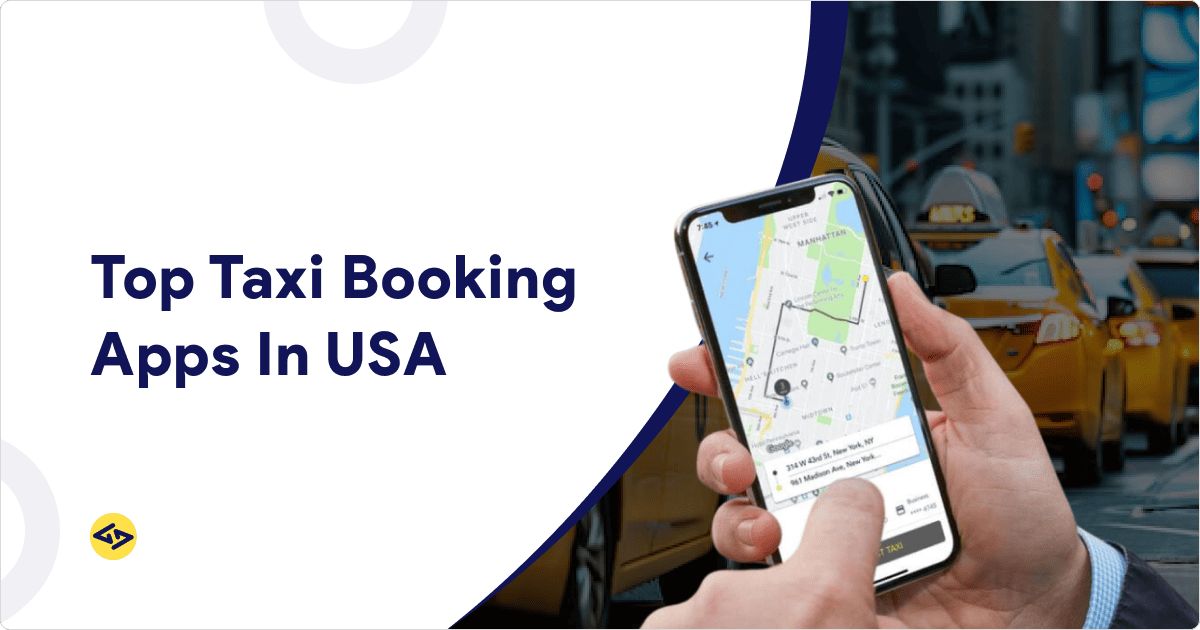
The best taxi apps in USA have redefined urban mobility in 2026. From licensed taxi fleets operating through regulated platforms to AI-powered ride-hailing ecosystems, today’s on-demand taxi booking experience is faster, safer, data-driven, and more transparent than ever.
Whether you’re searching for cheap taxi apps in USA, taxi apps with no surge pricing, the best alternative to Uber in 2026, or planning to build your own taxi platform, this guide covers everything for both riders and entrepreneurs.
What Makes a Taxi App “Top” in 2026?
Modern taxi platforms combine technology, compliance, and scalability. The leading apps typically offer:
- Licensed taxi drivers and verified gig drivers
- AI-powered dispatch with real-time GPS tracking
- Upfront pricing transparency or regulated metered pricing
- Contactless and digital payment options
- Fleet management dashboards
- Enterprise ride programs
- Integration into mobility-as-a-service (MaaS) ecosystems
Taxi apps are no longer simple ride-booking tools — they function as complete digital transportation infrastructures.
Understand how an on-demand taxi booking app works behind the scenes.
Best Taxi Apps in USA (2026 Updated List)
1️⃣ Uber
Uber remains the dominant ride-hailing platform in the United States by active users and geographic reach. It operates on a dynamic pricing model supported by advanced demand forecasting and driver allocation algorithms.
Key Features:
- Nationwide coverage
- Upfront fare estimates before booking
- Airport transfers and scheduled rides
- Multiple ride categories (economy, premium, shared)
- Digital wallet & contactless payments
- Expanding EV and sustainability initiatives
Uber continues to lead in scale, infrastructure, and platform innovation.
2️⃣ Lyft
Lyft is widely considered the strongest alternative to Uber in 2026. It focuses on competitive pricing, sustainability programs, and customer loyalty offerings.
Strengths:
- Strong urban and suburban presence
- Competitive pricing in many cities
- Subscription model (Lyft Pink)
- EV incentives for drivers
- Corporate ride solutions
Depending on location and demand, Lyft often ranks among affordable taxi app options.
3️⃣ Curb
Curb connects riders directly with licensed taxi drivers instead of gig-based contractors. It integrates regulated taxi fleets, especially in major cities like New York.
Best Known For:
- NYC yellow cab integration
- Meter-based pricing (limited surge volatility)
- Airport taxi bookings
- Regulated fleet partnerships
Curb is preferred by riders who want traditional taxi reliability with modern booking convenience.
4️⃣ Waymo One
Waymo represents the shift toward autonomous ride services. It operates fully driverless vehicles in select U.S. markets, leveraging artificial intelligence and robotics for mobility.
Active In:
- Phoenix
- San Francisco
Waymo is redefining the future of taxi booking apps by reducing dependency on human drivers and optimizing fleet efficiency through automation.
5️⃣ Blacklane
Blacklane operates in the premium chauffeur and executive transfer segment. It focuses on pre-scheduled rides, professional drivers, and corporate mobility solutions.
Best For:
- Corporate travel programs
- Luxury airport transfers
- Professional licensed chauffeurs
- Business-class ride experiences
It targets high-value customers rather than gig-based mass-market rides.
6️⃣ Arro
Arro integrates directly with licensed NYC taxi fleets, supporting regulated ride bookings and digital payment capabilities.
7️⃣ Ataxi
Ataxi is a regional taxi-booking platform supporting licensed operators in select U.S. markets, helping traditional taxi fleets move toward app-based dispatch systems.
Taxi App Flywheel Strategy: Why Leading Platforms Keep Growing
Top taxi platforms scale through a powerful growth flywheel model:
- More Riders join the platform
- More demand attracts more Drivers
- More drivers reduce pickup times
- Faster pickups improve user experience
- Better experience increases retention
- Higher retention boosts revenue
- Revenue fuels technology upgrades and expansion
This self-reinforcing cycle strengthens network effects and lowers long-term customer acquisition costs. The bigger the network grows, the stronger the competitive advantage becomes.
Taxi App Industry Trends (2026)
Autonomous Fleets
Self-driving ride services are expanding in regulated test markets, reducing operational dependency on human drivers.
Green Mobility
Electric vehicle adoption is rising across major platforms as cities push sustainability goals and emission reductions.
Enterprise Mobility
Corporate fleet management tools and business ride programs are becoming major revenue drivers.
Fleet Digitization
Traditional taxi companies are adopting SaaS-based dispatch systems and on-demand app development models to stay competitive.
Thinking of Starting Your Own Taxi Platform?
The growth of ride-hailing software and taxi fleet digitization creates strong opportunities for entrepreneurs in regional and niche markets.
If you’re planning to start a taxi business like Uber, build a platform, or launch a fleet management solution, you’ll need a complete tech stack. A scalable taxi platform typically includes:
- Passenger App (iOS & Android)
- Driver App with earnings dashboard
- Admin Panel for operations control
- Dispatch & Fleet Management System
- Secure Payment Gateway Integration
- Real-time GPS & Route Optimization
Before starting development, analyzing the taxi booking app development cost breakdown will help you plan investment, infrastructure, and long-term scalability effectively.
Final Thoughts
The top taxi apps in USA now include regulated taxi networks, ride-hailing giants, EV-focused ecosystems, and autonomous fleets. The industry is evolving toward mobility-as-a-service (MaaS), AI-powered dispatch systems, and transparent pricing models.
For riders, this means more choice and better service.
For entrepreneurs, it signals significant opportunity.
If you’re considering launching your own taxi booking solution, 2026 is a strategic time to enter the market. If you need a technical team to bring this vision to life, you can hire Mobile App Developers or discuss your project directly.
Frequently Asked Questions (2026)
1. What is the most popular taxi app in the USA?
Uber remains the largest by market share, followed by Lyft.
2. What is the best alternative to Uber?
Lyft is the closest nationwide competitor, while Curb is a strong regulated taxi option.
3. Are there taxi apps with no surge pricing?
Yes. Licensed taxi apps like Curb often use metered pricing instead of dynamic surge models.
4. Are licensed taxi apps still relevant?
Yes. Apps like Curb and Arro connect riders to regulated taxi fleets.
5. Which are the cheapest taxi apps in the USA?
Pricing varies by city, but Lyft and regulated taxi aggregators may offer competitive fares depending on demand.
6. Are there green taxi apps for EV rides?
Yes. Major ride-hailing platforms are actively promoting electric vehicle rides in many cities.
7. Do taxi apps support contactless payments?
Yes. All major taxi and ride-hailing apps support digital and contactless payment options.
8. Can I build my own taxi app?
Yes. With the right on-demand app development team, you can build a scalable taxi platform tailored to your market.