The global telemedicine market is projected to reach $431.82 billion by 2030, and if you’re reading this, you’re likely wondering what it takes to build your slice of this opportunity.
Whether you’re a startup founder, hospital administrator, or healthcare entrepreneur, understanding the On Demand Doctor app development cost is crucial before investing your resources. This comprehensive guide breaks down everything from basic MVP pricing to enterprise-level healthcare platforms — helping you budget smartly and avoid costly surprises while planning your On-Demand Doctor solution.
What Is an On Demand Doctor App and a Healthcare App?
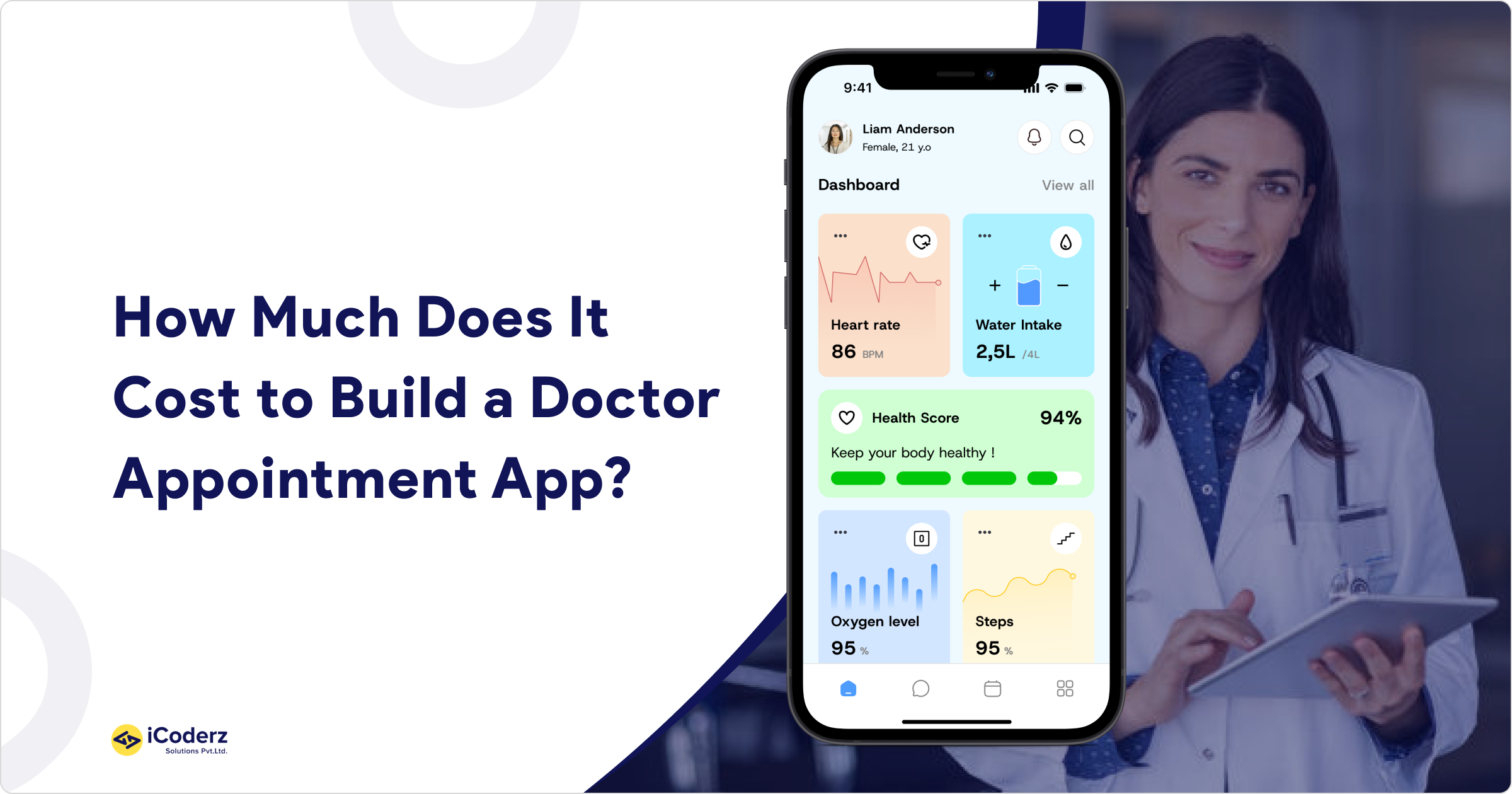
An on-demand doctor app connects patients with healthcare providers for virtual consultations, appointment booking, and remote medical services. Think of platforms like Teladoc, Practo, and Doctor on Demand—they’ve revolutionized how patients access care.
Healthcare apps span a broader spectrum:
- Telemedicine apps: Video consultations and remote diagnosis
- Healthcare management apps: Hospital operations, staff scheduling, inventory
- Patient engagement apps: Health tracking, medication reminders, wellness
Market Reality Check: The COVID-19 pandemic accelerated telehealth adoption by 10+ years. Today, 76% of patients express interest in using telehealth services, making this the ideal time to invest in on-demand doctor app development.
Average Cost to Develop an On-Demand Doctor App
Here’s the honest truth: Healthcare app development cost varies dramatically based on complexity, features, and who builds it.
Cost Ranges by Complexity
| App Type | Features | Estimated Cost |
| Basic MVP | User registration, appointment booking, basic video call, payment integration | $25,000 – $50,000 |
| Mid-Level App | EMR integration, e-prescriptions, in-app chat, push notifications, analytics | $50,000 – $120,000 |
| Enterprise Platform | AI diagnostics, multi-hospital support, advanced security, custom integrations | $120,000 – $300,000+ |
Cost Comparison by Region
| Region | Hourly Rate | MVP Cost Estimate |
| USA | $100 – $200/hr | $80,000 – $150,000 |
| Western Europe | $80 – $150/hr | $60,000 – $120,000 |
| Eastern Europe | $40 – $80/hr | $35,000 – $70,000 |
| India | $20 – $50/hr | $25,000 – $50,000 |
Pro Tip: Lower hourly rates don’t always mean lower quality. Many healthcare app development companies in India deliver world-class solutions at competitive prices.
Key Factors That Affect Healthcare App Development Cost
1) App Features and Functionalities
Patient Features:
- User registration and profile management
- Doctor search with filters (specialty, ratings, availability)
- Appointment scheduling
- Video/audio consultation
- Prescription viewing and downloads
- Payment processing
Doctor Features:
- Profile and availability management
- Appointment dashboard
- Video consultation tools
- E-prescription generation
- Patient history access
- Earnings and payout tracking
Admin Panel Features:
User and doctor management
Appointment oversight
Revenue analytics
Content management
Support ticket system
Each feature adds development hours. A doctor appointment booking app with 15-20 core features typically requires 800-1,200 development hours.
4.2 Platform Selection
| Approach | Pros | Cons | Cost Impact |
| Native (iOS + Android) | Best performance, full device access | Higher cost, separate codebases | +40-60% |
| Cross-Platform (Flutter/React Native) | Single codebase, faster development | Slight performance trade-offs | Baseline |
| Web App Only | Lower cost, universal access | Limited mobile features | -30-40% |
Most healthcare startups opt for cross-platform development to maximize reach while controlling costs.
3) UI/UX Design Requirements
- Template-based design: $5,000 – $15,000
- Custom UI/UX design: $15,000 – $40,000
Accessibility matters in healthcare. Ensure your design accommodates users with disabilities—it’s both ethical and often legally required.
4) Compliance and Security
This is where healthcare app development differs significantly from standard app development.
Required Compliance Standards:
- HIPAA (USA): Mandatory for handling patient health information
- GDPR (Europe): Data protection requirements
- HL7/FHIR: Healthcare data exchange standards
- SOC 2: Security and availability certifications
Compliance adds 15-25% to development costs but isn’t optional. Non-compliance can result in fines up to $1.5 million annually.
5) Integrations
| Integration Type | Complexity | Cost Range |
| Payment gateways (Stripe, PayPal) | Low | $2,000 – $5,000 |
| Video conferencing (Twilio, Agora) | Medium | $5,000 – $15,000 |
| EHR/EMR systems | High | $15,000 – $50,000 |
| Lab/pharmacy APIs | Medium-High | $8,000 – $25,000 |
6) Development Team Location
Choosing where to hire healthcare app developers significantly impacts your budget. A balanced approach: Partner with experienced offshore teams for development while maintaining local project management for communication efficiency.
Feature-Wise Cost Breakdown
| Feature | Development Hours | Estimated Cost |
| Appointment booking system | 80-120 hrs | $4,000 – $12,000 |
| Video consultation | 100-160 hrs | $5,000 – $16,000 |
| E-prescriptions | 60-100 hrs | $3,000 – $10,000 |
| In-app chat/messaging | 60-80 hrs | $3,000 – $8,000 |
| Push notifications | 20-40 hrs | $1,000 – $4,000 |
| Health records management | 100-150 hrs | $5,000 – $15,000 |
| AI symptom checker | 150-250 hrs | $7,500 – $25,000 |
Technology Stack and Its Cost Impact
Your technology choices affect both development cost and long-term maintenance:
Frontend:
- React Native / Flutter (Cross-platform)
- Swift (iOS) / Kotlin (Android) for native
Backend:
- Node.js, Python (Django), or Java
- Microservices architecture for scalability
Database:
- PostgreSQL or MongoDB
- HIPAA-compliant cloud storage
Cloud Infrastructure:
- AWS (HIPAA-eligible services)
- Google Cloud Healthcare API
- Microsoft Azure for Healthcare
Third-Party Services:
- Twilio/Agora for video
- Stripe/Braintree for payments
- SendGrid for communications
Premium technology choices can add 10-20% to costs but often reduce maintenance expenses long-term.
Timeline for Healthcare App Development
| Project Scope | Timeline |
| Basic MVP | 3-4 months |
| Mid-level app | 5-8 months |
| Enterprise platform | 9-14 months |
Common Delay Factors:
- Unclear requirements
- Compliance testing iterations
- Third-party integration challenges
- Scope creep
Working with an experienced mobile application development partner helps maintain realistic timelines.
Hidden and Ongoing Costs to Consider
Don’t let these surprise you:
| Cost Category | Annual Estimate |
| Maintenance & updates | 15-20% of development cost |
| Cloud hosting | $500 – $5,000/month |
| Compliance audits | $5,000 – $20,000/year |
| Customer support tools | $200 – $1,000/month |
| Marketing & user acquisition | Variable |
Budget Reality: Plan for ongoing costs equal to 25-30% of initial development annually.
Cost Comparison: Custom Development vs White Label Solution
| Factor | Custom Development | White Label Solution |
| Initial Cost | $50,000 – $300,000+ | $10,000 – $50,000 |
| Time to Launch | 4-12 months | 2-6 weeks |
| Customization | Unlimited | Limited |
| Scalability | High | Moderate |
| Ownership | Full | Licensing-based |
Recommendation: Startups validating ideas might begin with white label solutions, while established healthcare providers benefit from custom on-demand app development.
How to Reduce On-Demand Doctor App Development Cost
1. Start with MVP
Launch with core features. Gather user feedback. Iterate.
2. Choose Cross-Platform Development
Flutter or React Native can reduce costs by 30-40% compared to separate native apps.
3. Prioritize Must-Have Features
Separate “nice-to-have” from “essential.” Build the latter first.
4. Partner Strategically
Choose development partners with healthcare experience—they’ll avoid common pitfalls that cause costly rework.
5. Use Pre-Built Components
Video APIs, payment gateways, and notification services reduce custom development needs.
How to Choose the Right Healthcare App Development Company
Evaluate potential partners on:
Healthcare industry experience (HIPAA compliance knowledge is non-negotiable)
Security certifications and data protection practices
Relevant portfolio with verifiable case studies
Post-launch support commitments
Transparent communication and project management
Technical expertise across required technologies
Ready to discuss your project? Contact experienced healthcare developers who understand both the technical and regulatory landscape.
Real-World Cost Scenarios
Scenario 1: Startup MVP
A telehealth startup needs basic video consultations and appointment booking.
- Platform: Cross-platform (Flutter)
- Features: 12 core features
- Timeline: 3.5 months
- Estimated Cost: $35,000 – $45,000
Scenario 2: Hospital Enterprise Solution
A multi-location hospital requires comprehensive patient management with EHR integration.
- Platform: Native iOS + Android + Web
- Features: 40+ features with custom integrations
- Timeline: 10 months
- Estimated Cost: $180,000 – $250,000
Conclusion
On-demand doctor app development cost ranges from $25,000 for basic MVPs to $300,000+ for enterprise solutions. The primary cost drivers are:
- Feature complexity
- Compliance requirements
- Platform choices
- Development team location
- Integration needs
For Startups: Begin with an MVP, validate your concept, then scale. Cross-platform development and strategic feature prioritization keep initial investments manageable.
For Enterprises: Invest in custom solutions with robust compliance frameworks. The higher upfront cost yields better scalability, security, and competitive advantage.
The Bottom Line: Plan thoroughly before writing code. Clear requirements, experienced partners, and realistic budgets lead to successful healthcare app launches.
Want to Know the Exact Cost for Your Healthcare App?
Get a free, personalized cost estimate for your on-demand doctor or healthcare app based on your features, compliance needs, and timeline.

Frequently Asked Questions
How much does a telemedicine app cost?
A basic telemedicine app costs $25,000-$50,000, while full-featured platforms range from $80,000-$200,000+ depending on complexity and compliance requirements.
How long does it take to build a healthcare app?
MVP development takes 3-4 months. Comprehensive healthcare platforms require 6-12 months, depending on features and integrations.
Is HIPAA compliance mandatory?
Yes, for any app handling Protected Health Information (PHI) of US patients. Non-compliance can result in severe penalties.
Can I monetize a healthcare app?
Absolutely. Common models include consultation fees (commission-based), subscription plans, freemium features, and enterprise licensing.
What’s the difference between telehealth and telemedicine apps?
Telemedicine focuses on clinical services (diagnosis, treatment). Telehealth is broader, including patient education, remote monitoring, and administrative healthcare functions.