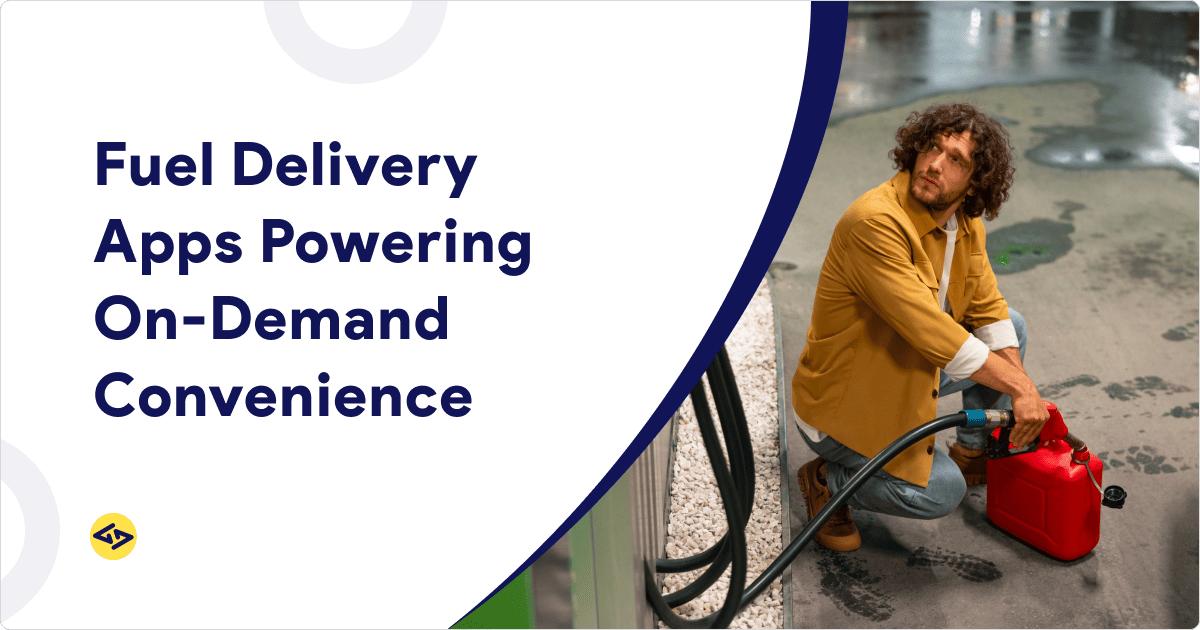
The way people access essential services has changed drastically in recent years. The fuel industry is no exception. On-demand fuel delivery apps are redefining convenience, safety, and efficiency for both individuals and businesses.
By 2026, these apps are expected to have gained significant momentum. Customers are increasingly seeking solutions that save time, minimize hassle, and offer contactless service.
The global diesel fuel market was valued at USD 241.41 billion in 2024. It is projected to reach USD 306.02 billion by 2030, growing at a CAGR of 4.1% (2025–2030). This growth shows the rising demand for smarter refueling solutions.
Why are fuel delivery apps in such high demand?
- Convenience: Direct delivery eliminates gas station trips.
- Safety: Contactless fueling ensures proper handling.
- Eco-Friendliness: Optimized routes cut emissions.
- Fleet Management: Scheduled refueling saves time and costs.
In this blog, we highlight the top 6 fuel delivery apps in 2026 and the strategies that make them successful. These insights will help startups build scalable, compliant, and customer-focused solutions. To understand the foundation of this business model, read our blog on what a fuel delivery app is and how it works.
Top 5 Fuel Delivery Apps in 2026
Here’s a detailed look at the top fuel delivery apps in 2026, what makes them unique, and lessons startups can learn from their strategies.
1. CAFU (UAE)
Overview:
CAFU is a leading on-demand fuel delivery app in the UAE, offering contactless fueling for homes, offices, and fleets. Its eco-friendly approach and easy-to-use app make it popular among customers.
Key Features:
- Contactless fueling with real-time delivery tracking.
- Eco-friendly fleet, including electric-powered fuel trucks.
- Fleet management and bulk delivery for businesses.
- Flexible payment options, including wallets and corporate billing.
Strategy & Lessons:
- Localization & sustainability drive customer adoption.
- Technology integration, such as tracking and fleet management, enhances efficiency.
- Partnering with reliable suppliers ensures consistent service.
Takeaway:
CAFU shows that integrating convenience with environmentally friendly practices strengthens loyalty and market presence.
CAFU (UAE)
- App Store (iOS): CAFU Fuel & Car Service To You
- Google Play (Android): CAFU Fuel & Car Service To You
2. Booster (USA)
Overview:
Booster is one of the most recognized on-demand fuel delivery services in the U.S., focusing primarily on corporate fleets and sustainability. It refuels vehicles on-site at business campuses, logistics centers, and fleets, saving time and reducing emissions.
Key Features:
- On-demand refueling for fleets, campuses, and business vehicles
- AI-powered logistics and route optimization
- Renewable fuel options, including biofuels and renewable diesel
- Emission-tracking dashboard for sustainability reporting
Strategy & Lessons:
- Focused on B2B operations, ensuring predictable revenue and scalable growth
- Emphasizes sustainability and carbon reduction, aligning with ESG goals
- Uses data-driven logistics to optimize delivery routes and fuel consumption
Takeaway:
Booster proves that aligning technology with sustainability can turn a fuel delivery app into a future-ready, environmentally responsible enterprise solution.
3. FuelBuddy (India)
Overview:
FuelBuddy is a pioneer in India’s on-demand fuel delivery market, providing safe and convenient refueling for individuals and businesses while fully complying with local regulations.
Key Features:
- Mobile app for instant fuel orders.
- Fleet and individual vehicle services.
- Partnerships with local petrol pumps for faster fulfillment.
- Digital payments via UPI, wallets, and cards.
Strategy & Lessons:
- Regulatory compliance ensures smooth operations and long-term growth.
- Collaboration with local fuel suppliers speeds up delivery.
- Tech integration, like mobile ordering, enhances customer convenience.
Takeaway:
FuelBuddy demonstrates that adapting to local regulations and leveraging technology is essential for success in complex markets.
FuelBuddy (India)
4. EzFill (USA)
Overview:
EzFill is a leading on-demand fuel delivery app in the U.S., catering to both individual users and corporate fleets. Known for its reliability and professional service, EzFill ensures fast, safe, and convenient fueling anywhere.
Key Features:
- Licensed and trained drivers for safe, compliant fueling.
- Real-time delivery tracking for instant updates.
- Fleet fueling options for businesses with multiple vehicles.
- Easy in-app scheduling and secure digital payments.
Strategy & Lessons:
- Serving both B2C and B2B markets diversifies revenue and customer reach.
- Prioritizing safety and professionalism builds trust and brand credibility.
- User-friendly app experience encourages repeat usage and loyalty.
Takeaway:
EzFill proves that combining safety, reliability, and a seamless user experience is key to standing out in the competitive fuel delivery market.
EzFill (USA)
- App Store (iOS): EzFill: Gas Delivered
- Google Play (Android): EzFill
5. 2U Fuel (USA)
Overview:
2U Fuel serves both consumers and corporate fleets in the U.S., offering a smooth mobile app experience and reliable on-demand fuel delivery.
Key Features:
- Multi-vehicle support for businesses and fleets.
- Real-time delivery tracking with ETA updates.
- Loyalty and referral programs to encourage repeat usage.
- In-app chat for instant support and feedback.
Strategy & Lessons:
- User-friendly experience builds trust and engagement.
- Loyalty programs increase repeat usage and customer retention.
- Multi-vehicle and corporate support strengthen B2B relationships.
Takeaway:
2U Fuel demonstrates that a reliable, seamless user experience combined with loyalty programs drives customer satisfaction and long-term growth.
2U Fuel (USA)
6. Tanked (USA)
Overview:
Tanked is a U.S.–based fuel delivery app that brings fuel directly to homes, offices, and fleets, ensuring safe and hassle-free refueling.
Key Features:
- On-demand delivery with real-time tracking.
- Flexible scheduling and secure payments.
- Supports individuals and business fleets.
Strategy & Lessons:
Tanked focuses on convenience, digital integration, and serving both B2C and B2B customers. Its user-friendly experience and fleet services highlight scalability and customer trust.
Takeaway:
Tanked shows that convenience and multi-segment support drive growth in the fuel delivery market.
Tanked App Links:
- iOS (App Store): Tanked: Fuel Delivery
- Android (Google Play): Tanked
If you’re inspired by these leading apps and want to create your own, check out our detailed guide on how to develop a fuel delivery app. It covers essential steps, technologies, and cost factors to help you get started.
Key Lessons Startups Can Learn from These Apps
Analyzing the top fuel delivery apps in 2026 — CAFU, Booster, Tanked, FuelBuddy, EzFill, and 2U Fuel — reveals powerful strategies that startups can adopt to succeed in the competitive on-demand fuel delivery market.
1. Localization and Compliance
CAFU and FuelBuddy demonstrate how critical it is to tailor services to local regulations, fuel standards, and user behavior.
Startups must ensure regulatory compliance, safety certifications, and environmental permits to build trust and operate smoothly in different markets.
Lesson: Adapting your business model to regional requirements and maintaining transparent compliance practices ensures long-term stability and credibility.
2. Customer-Centric Experience
2U Fuel and EzFill emphasize the importance of a user-friendly app interface, loyalty programs, and responsive customer support.
Real-time tracking, secure payments, and personalized service improve customer satisfaction and retention rates.
Lesson: A frictionless, rewarding customer journey is key to repeat business and strong brand loyalty.
3. Technology Integration
Booster, CAFU, and FuelBuddy show how technology enhances operational efficiency through features like route optimization, real-time delivery tracking, and smart fleet management.
AI, GPS, and data analytics not only streamline operations but also help reduce costs and improve delivery accuracy.
Lesson: Investing in automation, analytics, and app optimization gives startups a competitive edge in the on-demand fuel delivery space.
4. Convenience and Multi-Vehicle Support
Tanked and 2U Fuel prove that offering flexible scheduling, multi-vehicle fueling, and secure digital payments makes fueling convenient for both individuals and business fleets.
Lesson: Designing scalable services that cater to B2C and B2B users broadens your market reach and drives consistent growth.
5. Sustainability and Eco-Friendliness
Booster and CAFU lead by example with eco-friendly fleets, including electric-powered or renewable-fuel trucks. Their focus on carbon reduction and clean operations attracts environmentally conscious consumers and corporate clients.
Lesson: Integrating green practices into your fuel delivery model strengthens brand value and aligns with global sustainability goals.
6. Operational Efficiency and Professionalism
EzFill and Booster highlight how certified drivers, strict safety standards, and data-driven logistics ensure reliability and scalability.
Lesson: Combining safety, professionalism, and well-trained teams builds user trust and sets your startup apart in a competitive market.
Takeaway:
Startups can succeed by combining technology, compliance, customer focus, convenience, and sustainable practices—lessons clearly demonstrated by these top fuel delivery apps.
For startups considering entering this market, understanding the financial aspects is crucial. Learn more about the costs involved in developing a fuel delivery app.
Challenges in the Fuel Delivery App Market
While the on-demand fuel delivery market is booming, startups face several challenges:
- Regulatory Compliance: Adhering to government safety, fuel handling, and environmental regulations is essential to avoid fines or legal issues.
- High Operational Costs: Managing fleets, drivers, and logistics requires significant investment and efficient planning.
- Competition: Traditional gas stations are convenient and trusted, so apps must offer extra value or convenience to attract users.
- Customer Trust and Safety: Ensuring reliable and safe deliveries is critical, as any incident can damage reputation.
- Scalability: Expanding to new cities involves additional resources, partnerships, and tech upgrades.
By focusing on technology, efficient operations, and customer-centric services, startups can overcome these challenges and succeed in the competitive fuel delivery market.
Future Trends in On-Demand Fuel Delivery
The fuel delivery market is evolving rapidly, with several trends shaping its future:
- EV Charging Integration: Apps are starting to include electric vehicle charging alongside traditional fuel delivery.
- AI-Driven Route Optimization: Advanced algorithms help reduce delivery times, fuel consumption, and operational costs.
- Subscription-Based Fuel Plans: Prepaid or subscription models are gaining popularity for regular users and fleets.
- Expansion to Underserved Markets: Companies are targeting smaller cities and rural areas to reach more customers.
- Sustainability Focus: Eco-friendly fuels and green operations are becoming important for brand image and customer loyalty.
These trends indicate that the future of fuel delivery will rely on technology, convenience, and sustainable practices to meet growing customer expectations.
Mistakes to Avoid When Building a Fuel Delivery App
Startups in the fuel delivery market should avoid common pitfalls that can impact growth and user trust:
- Ignoring App Performance & Scalability: Slow or unreliable apps can frustrate users and limit expansion.
- Weak Data Security & Payment Protection: Breaches or payment issues can harm reputation and customer confidence.
- Poor Customer Support: Lack of timely assistance reduces user satisfaction and retention.
- Limited Coverage & Growth Planning: Focusing on a small area without planning for expansion can hinder market reach.
By addressing these areas from the start, startups can build a reliable, secure, and scalable fuel delivery app that attracts and retains customers.
Conclusion- Final Insights on the Future of Fuel Delivery Apps
The top 5 fuel delivery apps in 2026—CAFU, Tanked, FuelBuddy, EzFill, and 2U Fuel—demonstrate how technology is transforming the way people refuel. They emphasize convenience, safety, and sustainability while providing seamless user experiences.
Startups can learn from these apps by leveraging smart technology, ensuring regulatory compliance, and prioritizing customer satisfaction. Features like real-time tracking, flexible scheduling, and loyalty programs help build trust, improve convenience, and retain users.
With emerging trends like EV charging, AI-driven route optimization, and subscription-based fuel plans, the fuel delivery market is poised for rapid growth.
If you want to launch a reliable fuel delivery app, iCoderz can help. We build secure, scalable, and feature-rich apps tailored to your business.
Explore our fuel delivery app development services and start your project today.
See the Top Fuel Delivery Apps Today
Explore key trends, standout features, and insights from the apps driving the fuel delivery industry forward.